

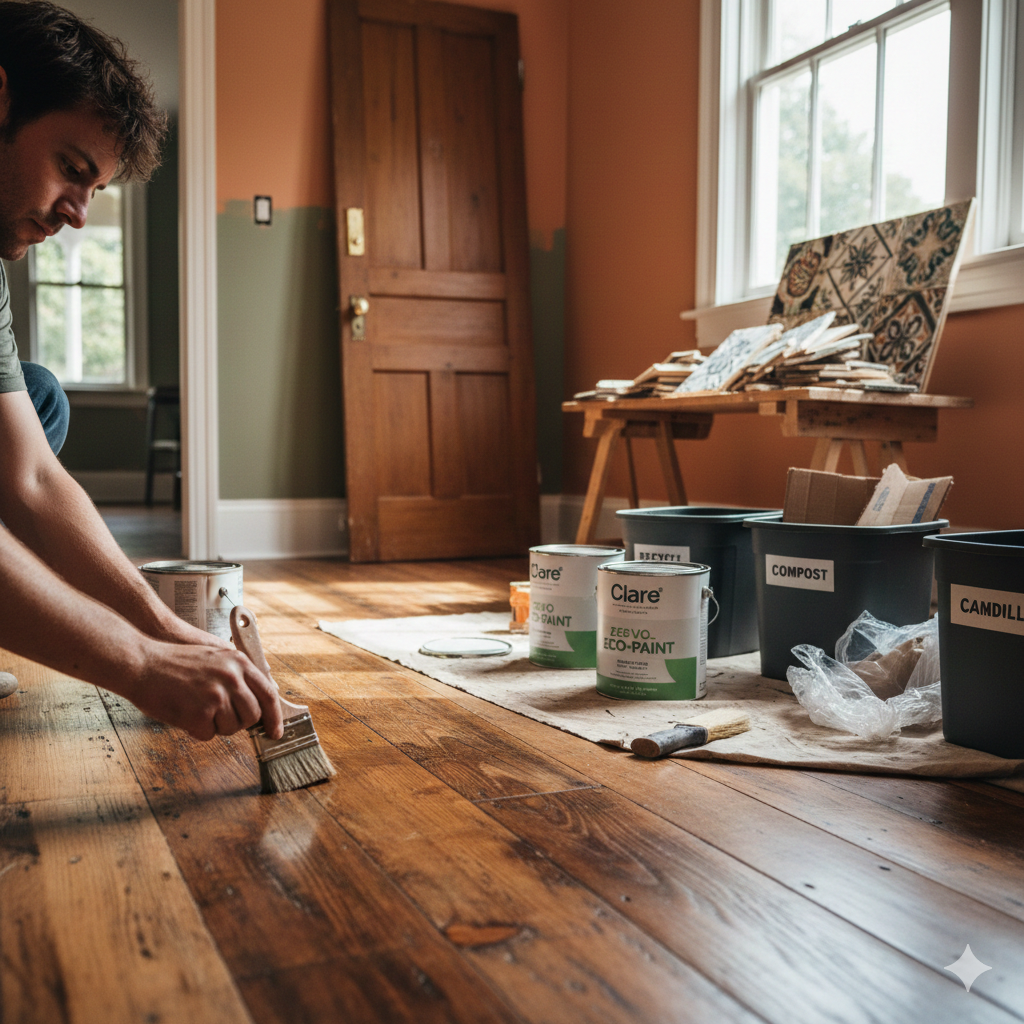
In an era defined by environmental consciousness, the concept of a “dream home” is evolving. It’s no longer just about aesthetics or luxury; it’s about sustainability, health, and a lighter footprint on our planet. Enter the zero-waste renovation—a powerful movement that challenges conventional practices by prioritizing reclaimed materials, minimizing waste, and utilizing eco-friendly finishes.
This isn’t just a niche trend for hardcore environmentalists; it’s a smart, beautiful, and often cost-effective way to upgrade your living space. Ready to transform your home while treading lightly on the Earth? Let’s dive in.
Why Go Zero-Waste?
Beyond the obvious environmental benefits, a zero-waste renovation offers significant advantages:
- Reduced Landfill Waste: Construction and demolition debris account for a massive portion of landfill waste. By salvaging and reusing, you divert materials from overflowing dumps.
- Lower Carbon Footprint: Producing new materials (lumber, concrete, drywall) is energy-intensive. Reclaimed materials already exist, drastically cutting embodied carbon.
- Unique Aesthetic: Reclaimed materials often carry a history and character that new items simply can’t replicate. Think aged barn wood, vintage tiles, or antique fixtures.
- Healthier Indoor Air Quality: Low-VOC (volatile organic compound) finishes drastically reduce the release of harmful chemicals into your home, promoting better respiratory health.
- Cost Savings: Sourcing salvaged items can often be significantly cheaper than buying new, especially for unique or high-quality pieces.
Step 1: Planning for Zero Waste—The Mindset Shift
The core of a zero-waste renovation begins long before demolition.
- Audit Existing Materials: Before swinging a hammer, walk through your space. What can be salvaged? Old doors, windows, light fixtures, and even plumbing components might be perfectly reusable or sellable.
- Design for Deconstruction: If you’re removing elements, plan how to do so carefully to preserve materials. For example, rather than smashing a wall of tiles, try to remove them intact if they’re in good condition.
- Create a Waste Plan: Designate areas for sorted materials: “donate,” “sell,” “repurpose,” “recycle,” and “landfill” (which should be minimal).
- Source Locally: The less distance materials travel, the lower their carbon footprint.
Step 2: Sourcing Reclaimed Materials—Your Treasure Map
This is where the fun begins! Think of yourself as an architectural archaeologist.
Key Places to Look:
- Architectural Salvage Yards: These are treasure troves of doors, windows, mantels, flooring, hardware, and unique decorative elements from demolished buildings.
- ReStores (Habitat for Humanity): Excellent sources for gently used building materials, appliances, and fixtures at discounted prices. Your purchase also supports a great cause.
- Online Marketplaces: Craigslist, Facebook Marketplace, and local “Freecycle” groups are fantastic for finding everything from lumber scraps to kitchen cabinets from people doing their own renovations.
- Demolition Sites (with permission!): If you know of a structure being torn down, inquire if you can salvage specific items before demolition begins. Always prioritize safety and get explicit permission.
- Local Mills and Farmers: For unique wood pieces, check with local sawmills or farmers who might have fallen trees or old barn wood available.
- Etsy & Antique Shops: For smaller, decorative elements like vintage light fixtures, unique cabinet pulls, or old signs that can be repurposed.
What to Look For:
- Flooring: Reclaimed hardwood, brick, or even slate tiles can add incredible character.
- Doors & Windows: Solid wood doors and unique window frames can be stunning focal points.
- Lumber: Beams, planks, and even smaller pieces for shelving or custom furniture. Always check for pests or rot.
- Fixtures: Sinks, tubs, toilets, and light fixtures often boast a quality and design rarely seen in new pieces.
- Hardware: Knobs, pulls, and hinges—the small details that make a big difference.
- Stone & Brick: For backsplashes, accent walls, or exterior features.
Step 3: Embracing Low-VOC Finishes—Breathe Easier
Once your reclaimed elements are in place, it’s time to seal and finish them with health in mind. Volatile Organic Compounds (VOCs) are airborne chemicals released by many conventional paints, sealants, adhesives, and flooring. They contribute to indoor air pollution and can cause headaches, dizziness, and long-term health issues.
Your Low-VOC Arsenal:
- Paints: Look for paints explicitly labeled “Low VOC,” “Zero VOC,” or “Natural Paint.” Brands like Clare, Farrow & Ball (select lines), and many local eco-friendly paint companies offer excellent options. Ensure you check both the paint itself and the colorants, as some tints can add VOCs.
- Sealants & Caulks: Opt for low-VOC silicone or acrylic-latex sealants.
- Adhesives: Choose water-based adhesives with low-VOC ratings for flooring, wallpaper, and paneling.
- Flooring Finishes: Water-based polyurethanes are far superior to oil-based for VOC emissions. Natural oils and waxes (like linseed oil or carnauba wax) are also excellent, non-toxic options for wood.
- Insulation: Consider natural insulation materials like recycled denim, sheep’s wool, or cellulose (made from recycled paper) over conventional fiberglass, which can release irritating fibers.
- Countertops: Opt for natural materials like salvaged wood, recycled glass, or stone that require minimal processing or harmful sealants.
Step 4: Minimizing On-Site Waste
Even with careful planning, some waste is inevitable. The goal is to minimize it and ensure proper disposal.
- Efficient Cutting: Measure twice, cut once! Plan cuts carefully to maximize material use and minimize offcuts.
- Compost Organics: If you’re doing any landscaping, compost green waste.
- Recycle Everything Possible: Cardboard packaging, plastic sheeting, and metal scraps—separate these for local recycling facilities.
- Donate Leftovers: Unused paint (if still viable), excess tiles, or extra lumber can be donated to ReStores or other community projects.
The Beauty of Imperfection
A zero-waste renovation often celebrates the character and history of materials. Expect imperfections—a slightly uneven floorboard, a distressed finish on an antique door. These aren’t flaws; they’re stories. They contribute to a home that feels lived-in, authentic, and deeply connected to its past and future.
By embracing reclaimed materials and low-VOC finishes, you’re not just renovating a house; you’re creating a healthier home and contributing to a more sustainable world. It’s a renovation project you can truly feel good about, inside and out.