

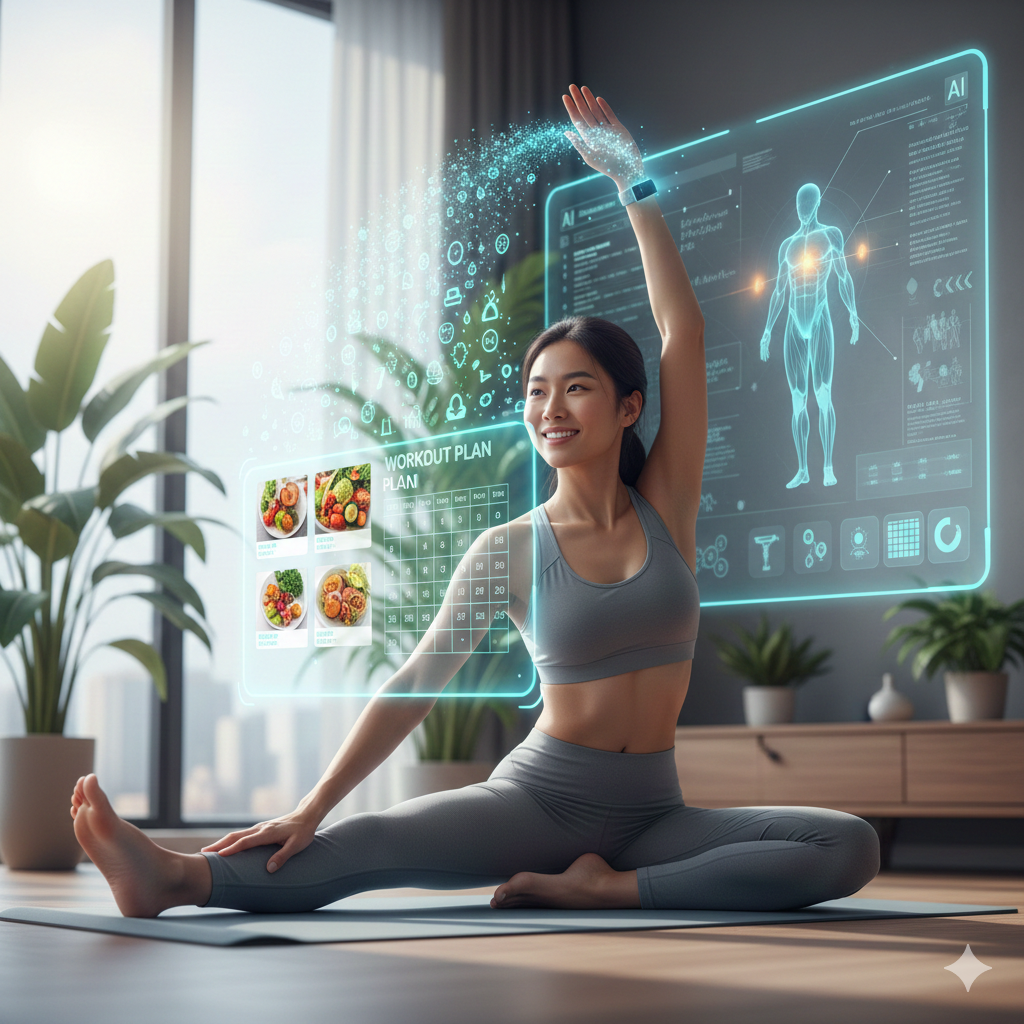
In an era where technology is seamlessly integrated into every facet of our lives, the world of health and wellness is experiencing a profound transformation. Gone are the days of one-size-fits-all advice; today, Artificial Intelligence (AI) and wearable technology are paving the way for hyper-personalized nutrition and fitness plans. This dynamic duo is not just changing how we approach our health but is actively revolutionizing our ability to achieve optimal well-being.
The Rise of Wearable Technology: Your Personal Health Sentinel
Wearable devices, from smartwatches to fitness trackers, have evolved far beyond simple step counters. These sophisticated gadgets are now powerful health sentinels, continuously monitoring a wealth of biometric data.
- Heart Rate Variability (HRV): Beyond just your pulse, HRV offers insights into your autonomic nervous system, indicating stress levels, recovery status, and overall readiness for exercise.
- Sleep Tracking: Detailed analysis of sleep stages (REM, light, and deep), interruptions, and duration helps identify patterns and areas for improvement in restorative rest.
- Activity Levels: Precise tracking of steps, calories burned, active minutes, and even specific workout types provides a comprehensive view of your daily energy expenditure.
- Blood Oxygen Levels (SpO2): Important for respiratory health and endurance, SpO2 monitoring can flag potential issues and optimize training.
- Skin Temperature: Some wearables can detect subtle changes in skin temperature, which can be an early indicator of illness or menstrual cycle phases.
This constant stream of data forms the foundation for truly personalized health insights.
AI: The Brain Behind the Biometrics
While wearable tech collects the raw data, it’s AI that transforms this information into actionable intelligence. AI algorithms analyze vast datasets, identifying correlations, predicting trends, and generating bespoke recommendations.
- Pattern Recognition: AI can spot subtle patterns in your data that might indicate impending fatigue, overtraining, or the onset of illness, allowing for proactive adjustments.
- Predictive Analytics: Based on your historical data and current biometrics, AI can predict how your body might respond to certain foods or workouts, guiding future decisions.
- Dynamic Adjustment: Unlike static plans, AI-driven systems can adapt in real-time. If your sleep quality is poor, your fitness plan might suggest a lighter workout or more rest. If your energy expenditure increases, your nutritional recommendations can adjust accordingly.
Revolutionizing Nutrition Plans: Eating Smarter, Not Harder
The days of generic diet plans are rapidly becoming obsolete. AI and wearable data are ushering in an era of hyper-personalized nutrition.
- Metabolic Tailoring: By analyzing activity levels, sleep patterns, and even resting heart rate, AI can estimate your precise caloric and macronutrient needs, ensuring you fuel your body optimally.
- Food Recommendations: AI-powered apps can suggest specific meals and recipes that align with your dietary preferences, health goals, and even your current energy expenditure. If you’ve had a particularly intense workout, the AI might recommend a higher protein intake.
- Hydration Tracking: Wearables can remind you to drink water based on your activity levels and environmental factors, preventing dehydration.
- Blood Glucose Monitoring (Emerging): For those with diabetes or looking to optimize metabolic health, continuous glucose monitors (CGMs) coupled with AI provide real-time feedback on how different foods impact blood sugar, allowing for immediate dietary adjustments.
Transforming Fitness Plans: Optimized Training for Peak Performance
Fitness is no longer about blindly following a routine; it’s about intelligent training that respects your body’s unique capabilities and limitations.
- Adaptive Workouts: AI can create dynamic workout plans that evolve with your progress and recovery. If you’re consistently hitting your targets, the AI might increase intensity. If you’re showing signs of fatigue, it might recommend an active recovery day.
- Recovery Optimization: By analyzing sleep, HRV, and activity data, AI can advise on optimal rest periods, helping to prevent overtraining and injury. It might suggest foam rolling, stretching, or simply more downtime.
- Form Correction (Emerging): Some advanced systems are beginning to use AI to analyze workout form via device sensors or camera input, offering real-time feedback to improve technique and reduce injury risk.
- Motivation and Engagement: Personalized insights and achievable goals, driven by AI, can significantly boost motivation and adherence to fitness routines, making exercise more sustainable and enjoyable.
The Future is Personalized: Challenges and Opportunities
While the benefits are clear, the widespread adoption of AI-driven wellness also presents challenges and opportunities.
- Data Privacy and Security: Protecting sensitive health data is paramount. Robust security measures and transparent data usage policies are essential for building trust.
- Accessibility and Affordability: Ensuring that these advanced technologies are accessible and affordable to a broad population is crucial to truly democratize health.
- Ethical Considerations: The responsible use of AI in health, avoiding biased algorithms and ensuring human oversight, will be an ongoing discussion.
- Integration with Healthcare: The ultimate potential lies in integrating this personalized data with traditional healthcare, allowing doctors to have a more holistic view of their patients’ health and make more informed decisions.
Conclusion
AI-driven wellness, powered by wearable technology and personalized data, is fundamentally reshaping how we approach nutrition and fitness. By moving beyond generic advice to truly understanding and responding to individual physiological needs, we are empowering individuals to take unprecedented control over their health. As these technologies continue to evolve, the future promises an even more integrated, intuitive, and effective path to optimal well-being for everyone.