

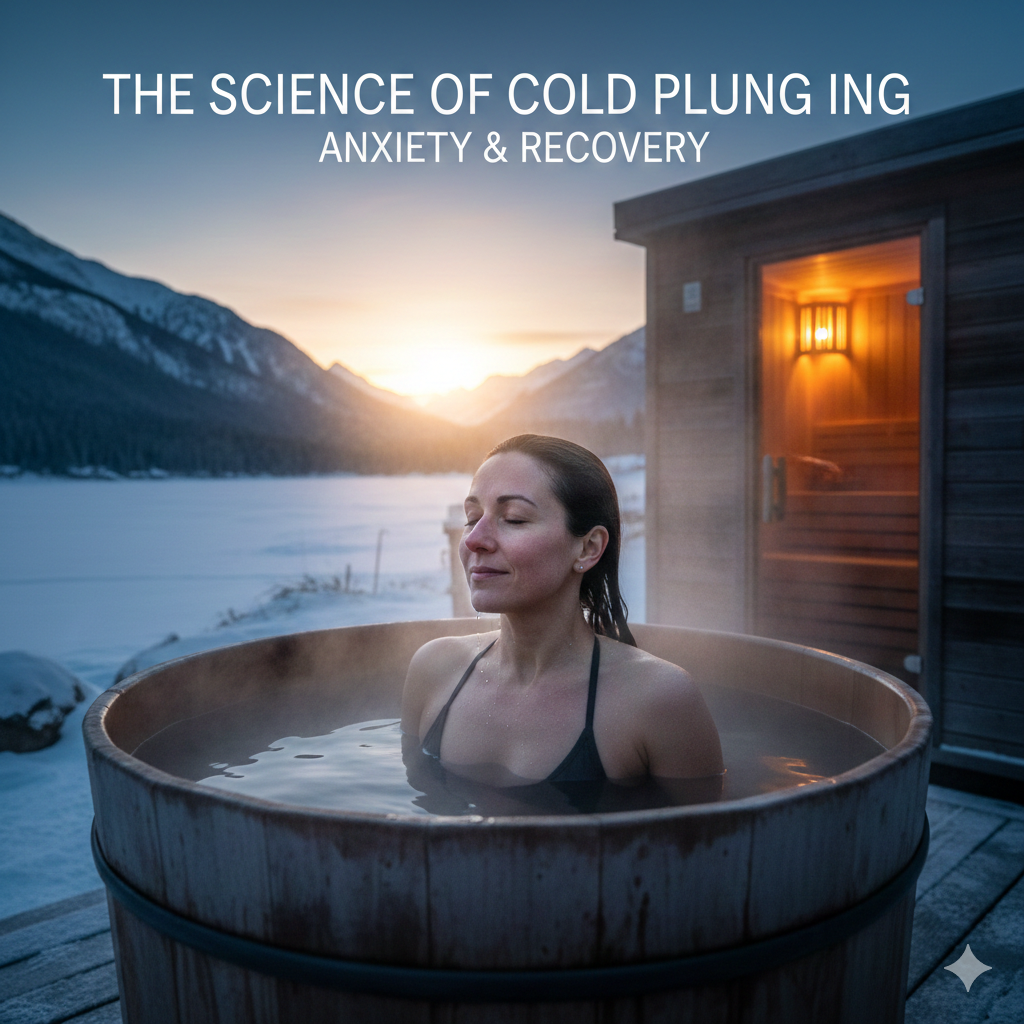
Cold plunging, once a niche practice for elite athletes, has surged into mainstream wellness. But it’s more than just a trendy challenge; it’s a powerful therapeutic technique with a growing body of scientific evidence supporting its profound benefits for both mental and physical health. This article takes a deep dive into the mechanisms behind cold plunging, exploring its role in contrast therapy and its proven efficacy for anxiety reduction and accelerated muscle recovery.
The Chill Factor: Understanding Cold Plunging
At its core, cold plunging involves immersing the body in cold water, typically between 39 and 59°F (4 and 15°C), for a short duration. While it may sound daunting, the initial shock quickly gives way to a cascade of physiological responses that contribute to its therapeutic effects.
Contrast Therapy: The Hot and Cold Connection
Cold plunging is often utilized as part of contrast therapy, a technique that alternates between hot and cold exposures. This could involve switching between a sauna and a cold plunge or a hot shower and a cold shower. The rapid shifts in temperature cause blood vessels to constrict in the cold and dilate in the heat, creating a “pumping” action that is believed to enhance circulation and lymphatic drainage.
The Brain-Body Connection: Cold Plunging and Anxiety
The idea of voluntarily subjecting oneself to extreme cold might seem counterintuitive for anxiety relief. However, research suggests a powerful link:
- Activation of the Vagus Nerve: Cold exposure stimulates the vagus nerve, a key component of the parasympathetic nervous system responsible for the “rest and digest” response. This activation can lead to a reduction in heart rate, improved mood, and a sense of calm.
- Release of Norepinephrine: Cold water immersion triggers the release of norepinephrine, a neurotransmitter that plays a crucial role in mood regulation, focus, and vigilance. While it’s often associated with the “fight or flight” response, controlled release can enhance mental resilience and reduce feelings of stress.
- Dopamine Boost: Studies indicate that cold exposure can significantly increase dopamine levels, a neurotransmitter associated with pleasure, motivation, and reward. This natural mood boost can be particularly beneficial for individuals struggling with anxiety and depression.
- Stress Resilience: Regularly exposing the body to controlled stressors like cold water helps train the nervous system to better cope with everyday stressors, leading to increased resilience and a reduced anxiety response over time.
Repair and Rejuvenate: Cold Plunging for Muscle Recovery
For athletes and fitness enthusiasts, cold plunging has long been a go-to strategy for post-workout recovery. Here’s how it works:
- Reduced Inflammation: Cold water causes vasoconstriction, narrowing blood vessels and reducing blood flow to the muscles. This helps to mitigate the inflammatory response that occurs after intense exercise, lessening muscle soreness and swelling.
- Lactic Acid Removal: While not a direct “flushing” mechanism, improved circulation facilitated by contrast therapy can help shuttle metabolic waste products, including lactic acid, away from the muscles more efficiently.
- Decreased Muscle Soreness (DOMS): By reducing inflammation and promoting recovery, cold plunging can significantly lessen Delayed Onset Muscle Soreness, allowing for a quicker return to training.
- Pain Relief: The numbing effect of cold water can provide immediate relief from muscle pain and discomfort, acting as a natural analgesic.
- Enhanced Blood Flow Post-Immersion: Once out of the cold water, blood flow rapidly increases as the body warms up, delivering oxygen and nutrients to damaged tissues and aiding in repair.
How to Incorporate Cold Plunging Safely
If you’re considering trying cold plunging, it’s crucial to approach it safely:
- Start Gradually: Begin with cooler showers and gradually decrease the temperature.
- Short Durations: Aim for 30 seconds to 3 minutes initially, increasing time as your tolerance improves.
- Listen to Your Body: If you experience extreme discomfort, get out.
- Consult Your Doctor: If you have any underlying health conditions, especially heart-related issues, consult a healthcare professional before starting.
- Warm Up Afterward: Dress warmly, drink a hot beverage, or take a warm shower to help your body rewarm.
The Future of Cold Therapy
As research continues to uncover the myriad benefits of cold plunging, its role in holistic health is only set to expand. From enhancing mental well-being to optimizing physical recovery, the power of the chill is undeniable. So, next time you’re looking for a natural way to boost your mood, reduce anxiety, or bounce back faster from your workouts, consider taking the plunge.