

The Economic Impact of Regionalizing Supply Chains & the End of Globalization as We Know It
🧩 A World No Longer Seamless
For more than 30 years, globalization promised a simple idea:
“Make anywhere, sell everywhere.”
Factories in China, raw materials from Africa, design from Europe, and customers in America—all connected by one massive global supply chain.
But that world is breaking apart.
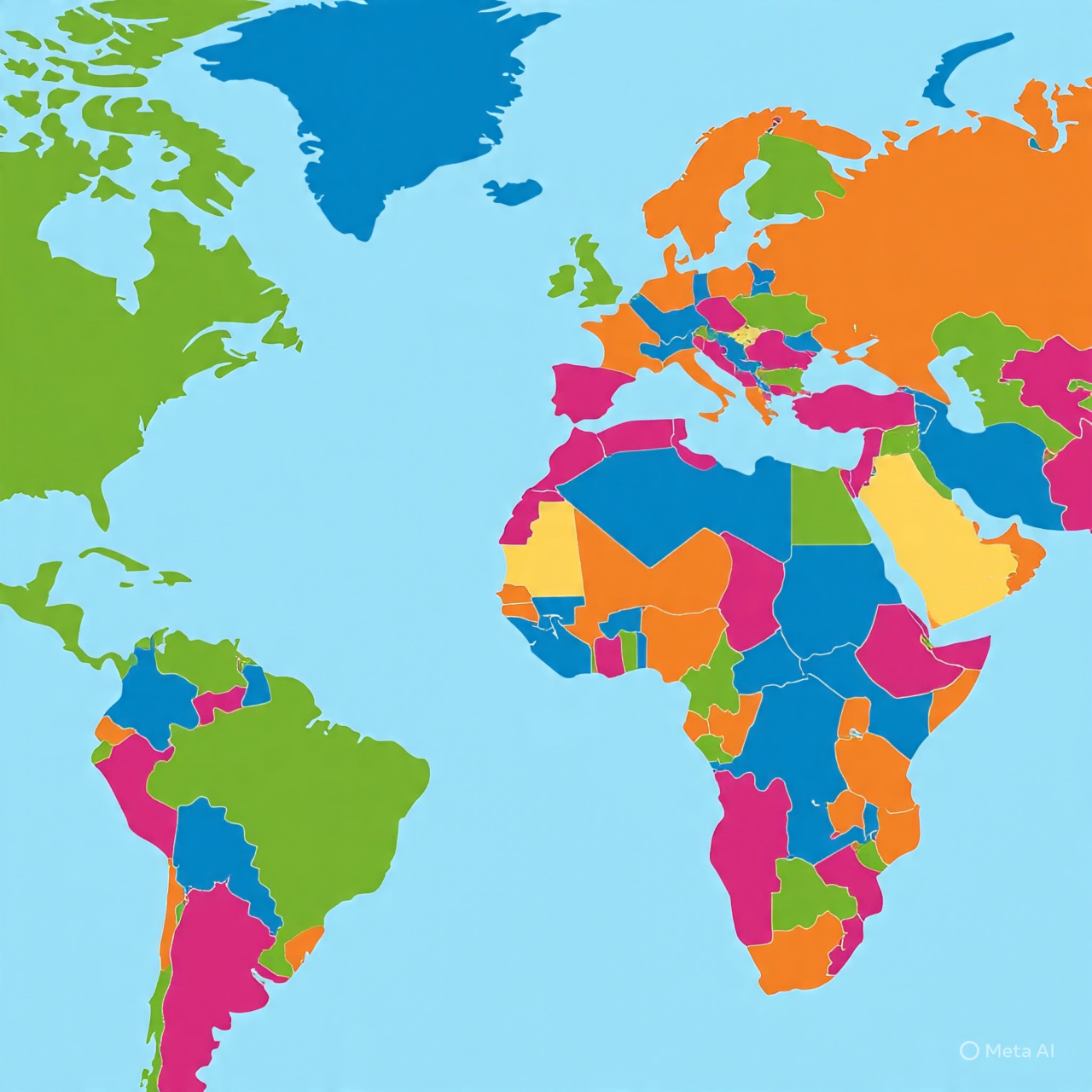
Today, we are entering a new era called Global Fragmentation—where trade is no longer about efficiency alone but about security, politics, and resilience.
🔄 What Is Global Fragmentation?
Global fragmentation means the world economy is splitting into regional and political blocs instead of one connected system.
Countries now choose trade partners based on:
- Political alignment
- Security concerns
- Economic self-protection
- Technology control
🌎 Instead of one global market, we now have multiple economic zones.
🏗️ What Is Nearshoring?
Nearshoring is when companies move factories:
- Closer to their home country
- Or into friendly neighboring countries
Instead of producing in China, firms now choose:
- Mexico instead of Asia (for the US)
- Eastern Europe instead of China (for the EU)
- Vietnam, India, Indonesia instead of China
Nearshoring is the corporate response to global fragmentation.
⚙️ Why Globalization Is Breaking
Global supply chains were built for low cost—not safety.
They collapsed when:
- COVID shut down factories
- Wars disrupted shipping routes
- U.S.–China tensions increased
- Semiconductors became strategic weapons
Governments realized:
“We can’t depend on foreign rivals for essential goods.”
🌐 The New Trade Map
| Old Globalization | New Regionalization |
|---|---|
| Cheapest location | Safest location |
| Global suppliers | Trusted allies |
| China-centered | Multi-hub world |
| Efficiency first | Security first |
💰 Economic Impact of Nearshoring
1️⃣ Prices Will Rise
- Manufacturing in nearby countries costs more
- Labor and land are more expensive
- Consumers will pay higher prices
Cheap globalization is ending.
2️⃣ New Winners Emerge
Countries gaining from nearshoring:
- 🇲🇽 Mexico
- 🇻🇳 Vietnam
- 🇮🇳 India
- 🇵🇱 Poland
- 🇲🇦 Morocco
They become the new industrial hubs.
3️⃣ China’s Dominance Weakens
China will remain powerful—but:
- It will no longer be the world’s only factory
- Companies will avoid over-dependence
The world is moving from “Made in China” to “Made Everywhere.”
4️⃣ Regional Supply Chains Rise
We now see:
- North America trading mostly with North America
- Europe building internal production
- Asia creating its own manufacturing networks
The global economy is becoming three major blocs.
🏭 Why Companies Love Nearshoring
Businesses prefer nearshoring because:
- Faster shipping
- Less political risk
- Better control
- More stable supply
Resilience is now more important than cheap labor.
⚠️ But There Are Risks
Nearshoring also creates:
- Trade barriers
- Slower global growth
- Less competition
- Higher inflation
The world becomes less connected—and more divided.
🔮 The Future of Global Trade
Globalization is not dead —
It is being replaced by regional globalization.
Instead of one world market, we will have:
- American trade zone
- European trade zone
- Asian trade zone
Supply chains will be shorter, safer, and more political.
🧠 Final Thought
The world is no longer chasing the cheapest factory.
It is chasing the safest supply chain.
Global Fragmentation + Nearshoring =
The New World Economic Order.
And this shift will shape:
- Inflation
- Jobs
- Investment
- Power
for decades to come. 🌍📉📈