
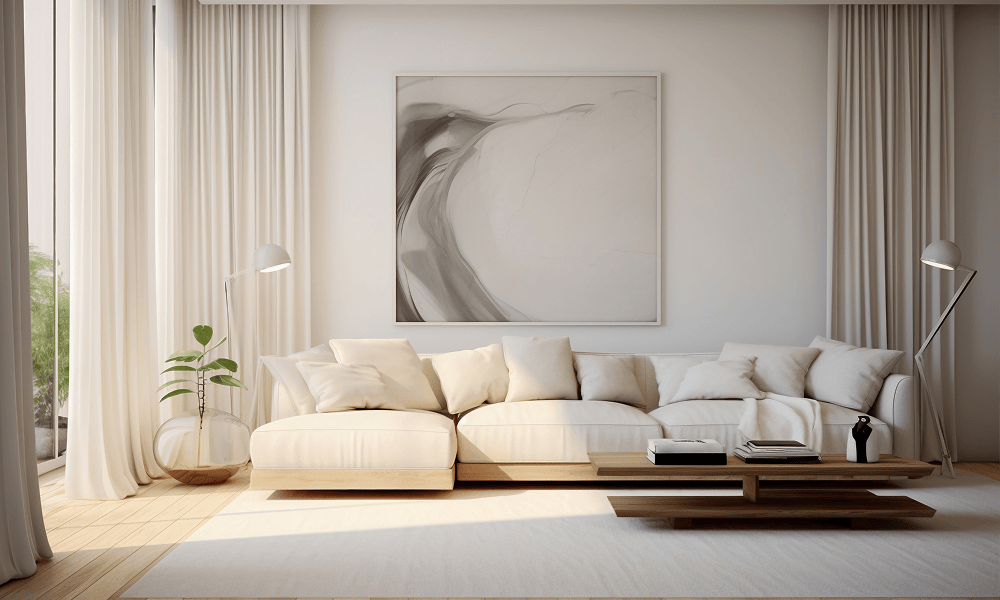
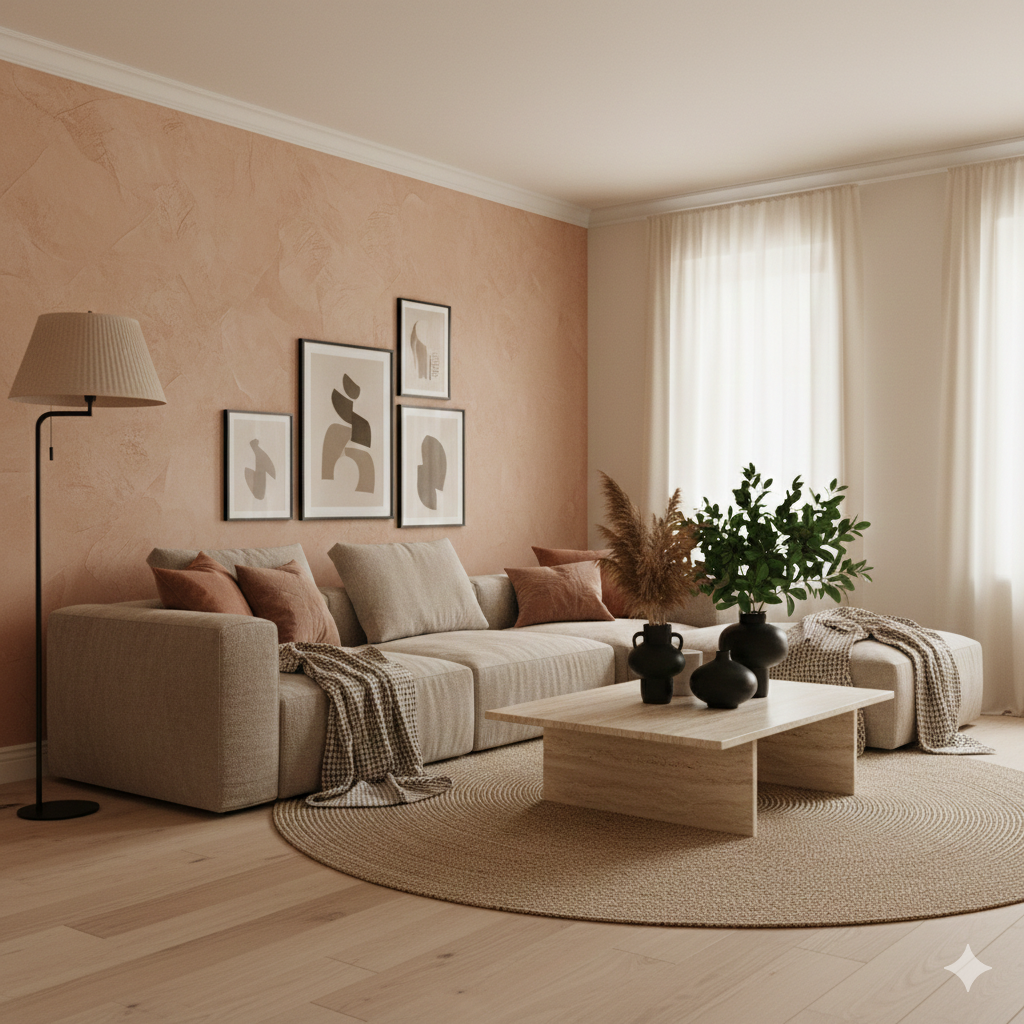
For years, the minimalist allure of crisp white interiors dominated design magazines and Pinterest boards. It offered a clean, bright canvas, but often at the cost of warmth and personality. As we evolve in our homes, there’s a growing desire for spaces that feel inviting, grounded, and deeply personal. This is where the magic of earthy neutrals steps in.
Moving beyond stark whites, tones like taupe, beige, and clay offer a sophisticated yet comforting palette that transforms a house into a haven. They bring the calming essence of the natural world indoors, creating a sense of timeless tranquility. If you’re ready to infuse your home with soul and serenity, this guide is for you.
Why Earthy Neutrals Are Having Their Moment
The shift from stark white isn’t just a trend; it’s a reflection of our desire for:
- Comfort and Coziness: Earthy tones instantly make a room feel more enveloping and welcoming.
- Timeless Appeal: Unlike fleeting color trends, these hues are rooted in nature, ensuring lasting style.
- Versatility: They act as a perfect backdrop for various design styles, from modern minimalist to rustic farmhouse.
- Connection to Nature: Evoking landscapes, sand, and natural stone, they bring an organic, calming energy into your space.
Meet the Stars: Taupe, Beige, and Clay
To truly master this palette, understanding the nuances of each hero shade is key:
- Taupe: The Sophisticated Chameleon
- What it is: A complex blend of gray and brown, often with subtle purple or green undertones.
- Vibe: Elegant, refined, and serene. It bridges the gap between cool and warm, making it incredibly versatile.
- Best for: Bedrooms, formal living areas, offices – spaces where you seek calm and introspection.
- Pro Tip: Look for taupes that lean slightly more brown for warmth, or slightly more gray for a modern edge.
- Beige: The Warm & Welcoming Foundation
- What it is: Far from the “boring” beiges of the past, modern beige boasts rich yellow, pink, or golden undertones.
- Vibe: Sun-drenched, inviting, and inherently cozy. It mimics natural sand or sun-bleached wood.
- Best for: Open-plan living spaces, family rooms, hallways – areas where you want to foster connection and brightness.
- Pro Tip: Avoid beiges with strong gray undertones if warmth is your primary goal. Embrace those with a hint of cream or gold.
- Clay: The Grounding Organic Touch
- What it is: A spectrum of natural browns, from soft terracotta and dusty rose-brown to deep, earthy umber.
- Vibe: Artisanal, grounding, and deeply organic. It brings a handcrafted, wabi-sabi feel.
- Best for: Kitchens, dining areas, accent walls, or even exterior features – spaces where you want to feel connected to the earth.
- Pro Tip: Clay tones pair beautifully with natural textures like wood, linen, and ceramic. They are excellent for creating accent moments.
The Art of Layering: Creating Depth and Interest
The secret to a successful earthy neutral home lies in layering. A monochromatic room can fall flat without visual interest. Here’s how to build rich, textured spaces:
- Vary the Shades: Don’t use just one beige! Combine a light beige wall with a medium taupe sofa and dark clay throw pillows.
- Embrace Texture: This is paramount. Since you’re minimizing bold color, texture becomes your visual language. Think:
- Rough-hewn wood furniture
- Nubby bouclé or chunky knit fabrics
- Smooth plaster or limewash walls
- Soft linen drapes
- Woven jute or sisal rugs
- Smooth ceramic or matte stone accents
- Introduce Natural Materials: Reinforce the “earthy” feel by incorporating materials straight from nature:
- Oak, walnut, or reclaimed wood for furniture and flooring.
- Travertine, marble, or limestone for countertops and decorative items.
- Rattan, wicker, or jute for baskets, lighting, and seating.
- Cotton, linen, wool, and cashmere for textiles.
Styling Secrets for a Truly Timeless Home
- Strategic Pops of Black: A few well-placed matte black accents (e.g., a lamp base, picture frames, hardware, or a modern sculpture) provide essential grounding and contrast, preventing the room from feeling washed out.
- Bring in Greenery: Plants are the ultimate natural accent. Their vibrant green hue provides a refreshing contrast to the warm neutrals and enhances the organic feel.
- Thoughtful Lighting: Warm, dimmable lighting will amplify the cozy factor. Use multiple light sources (overhead, task, accent) to create depth and mood.
- Artwork with Intent: Choose art that either complements the earthy tones (e.g., abstract landscapes, ceramic pieces) or offers a subtle pop of muted color (e.g., dusty blues, deep greens, terracotta).
- Consider Paint Finishes: A matte or eggshell finish on walls will absorb light and enhance the soft, velvety feel of earthy neutrals, whereas a satin might introduce too much sheen.
Making the Transition: From White to Warm
- Start Small: Begin by painting one room or an accent wall in a chosen earthy neutral.
- Test, Test, Test: Paint swatches directly on your walls and observe them throughout the day in different lighting conditions before committing.
- Declutter First: A clear space allows the beauty of the earthy tones and textures to shine.
- Patience is Key: Building a layered, cohesive neutral home takes time. Enjoy the process of curating pieces that speak to you.
Embracing earthy neutrals is more than just a decor choice; it’s an invitation to create a home that truly nurtures and inspires. By understanding the power of taupe, beige, and clay, and applying thoughtful layering techniques, you can transform your space from stark white to a cozy, timeless sanctuary.