

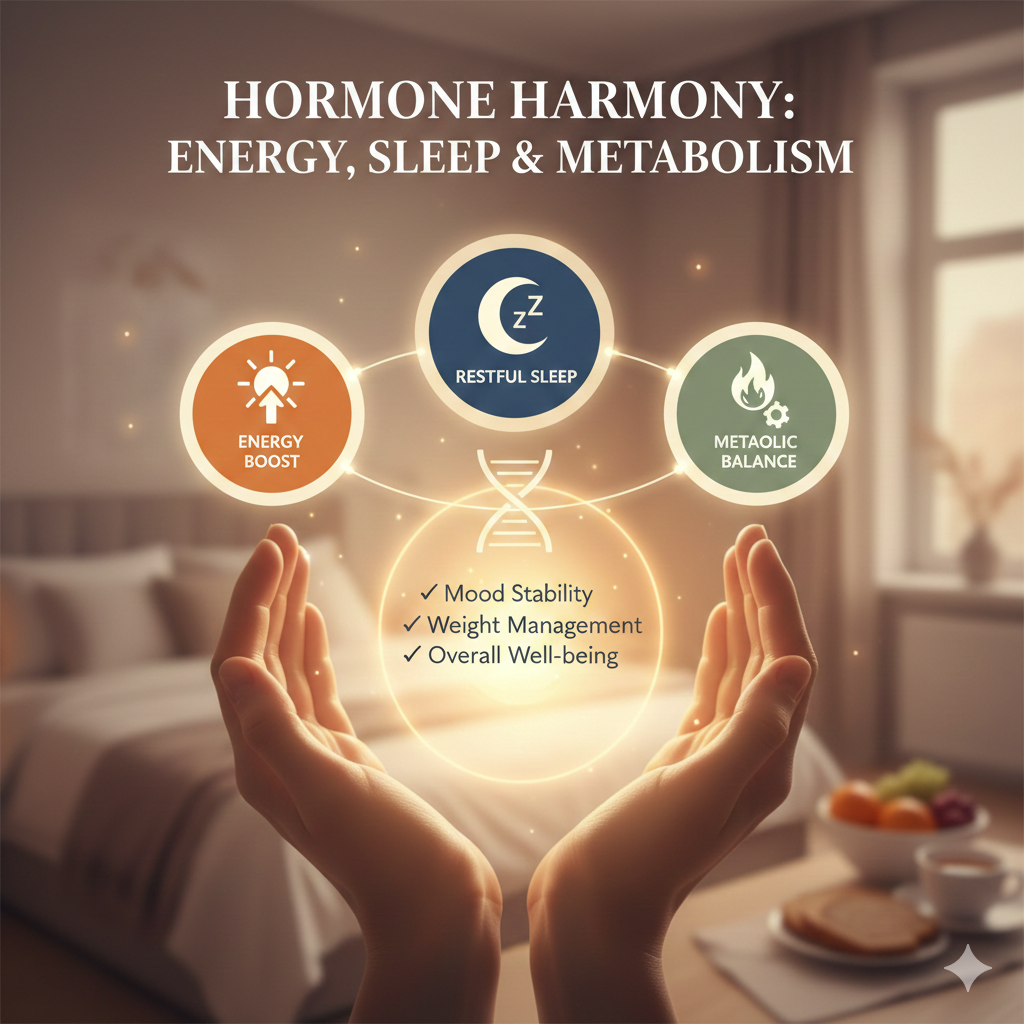
Hormones are chemical messengers that play a crucial role in regulating nearly every bodily function. From our energy levels and sleep patterns to our metabolism and mood, hormones orchestrate a complex symphony that keeps our bodies running smoothly. When this delicate balance is disrupted, it can lead to a cascade of unwelcome symptoms that impact our overall well-being.
The Master Regulators: Key Hormones and Their Functions
Several key hormones are particularly influential in governing our energy, sleep, and metabolism:
- Thyroid Hormones (T3 and T4): Produced by the thyroid gland, these hormones are the primary regulators of metabolism. They dictate how quickly our bodies use energy, influencing everything from heart rate to digestion.
- Cortisol: Often called the “stress hormone,” cortisol is released by the adrenal glands. While essential for managing stress and inflammation, chronic elevation can disrupt sleep, increase belly fat, and impact energy.
- Insulin: Produced by the pancreas, insulin is responsible for regulating blood sugar levels. It helps transport glucose from the bloodstream into cells for energy. Insulin resistance can lead to fatigue and metabolic issues.
- Melatonin: This hormone, primarily secreted by the pineal gland, is crucial for regulating our sleep-wake cycle (circadian rhythm). Proper melatonin production promotes restful sleep.
- Estrogen and Progesterone (in women): These female sex hormones influence mood, energy, and metabolism. Fluctuations during the menstrual cycle, perimenopause, and menopause can significantly impact these areas.
- Testosterone (in men and women): While more prominent in men, testosterone also plays a role in energy, muscle mass, and libido in women. Low levels can lead to fatigue and decreased vitality.
- Growth Hormone: Essential for cell growth and regeneration, growth hormone also influences metabolism and body composition, impacting energy levels.
The Impact of Hormone Imbalance
When hormones are out of sync, the effects can be wide-ranging and significantly diminish quality of life.
Energy Levels:
- Hypothyroidism (low thyroid hormones): Can cause persistent fatigue, sluggishness, and difficulty concentrating.
- Adrenal fatigue (disrupted cortisol rhythm): May lead to chronic tiredness, especially in the mornings, and a feeling of being “wired but tired.”
- Insulin resistance: Can result in energy crashes after meals as glucose struggles to enter cells efficiently.
- Low testosterone/estrogen: Can contribute to general lethargy and reduced stamina.
Sleep Quality:
- Cortisol dysregulation: High cortisol at night can interfere with melatonin production, making it hard to fall asleep or stay asleep.
- Low melatonin: Directly impairs the ability to initiate and maintain sleep.
- Thyroid imbalances: Both hyper- and hypothyroidism can disrupt sleep patterns.
- Estrogen fluctuations: Night sweats and hot flashes during menopause can severely interrupt sleep.
Metabolism and Weight:
- Hypothyroidism: Slows down metabolism, making weight gain easier and weight loss more difficult.
- High cortisol: Can promote fat storage, particularly around the abdomen, and increase cravings for unhealthy foods.
- Insulin resistance: Leads to the body storing more fat and can hinder weight loss efforts.
- Low testosterone/growth hormone: Can lead to a decrease in muscle mass and an increase in body fat.
Achieving Hormone Harmony: Practical Steps
Maintaining hormonal balance is not just about avoiding imbalances; it’s about optimizing your overall health. Here are some key strategies:
- Prioritize Sleep: Aim for 7-9 hours of quality sleep per night. Establish a consistent sleep schedule, create a dark and cool sleep environment, and limit screen time before bed.
- Manage Stress Effectively: Chronic stress is a major hormone disruptor. Incorporate stress-reducing practices like meditation, yoga, deep breathing exercises, spending time in nature, or engaging in hobbies.
- Eat a Nutrient-Dense Diet: Focus on whole, unprocessed foods.
- Include healthy fats: Avocados, nuts, seeds, olive oil, and fatty fish support hormone production.
- Prioritize protein: Essential for hormone synthesis and satiety.
- Consume complex carbohydrates: Provide sustained energy and fiber.
- Limit sugar and refined carbs to prevent insulin spikes and crashes.
- Engage in Regular Exercise: Both cardiovascular and strength training can improve insulin sensitivity, reduce cortisol, and boost growth hormone and testosterone levels. Find an activity you enjoy and make it a regular part of your routine.
- Maintain a Healthy Weight: Excess body fat, especially visceral fat, can produce hormones that disrupt balance.
- Limit Exposure to Endocrine Disruptors: These are chemicals found in plastics, pesticides, and cosmetics that can mimic or interfere with natural hormones. Choose organic produce, use glass containers, and opt for natural personal care products where possible.
- Stay Hydrated: Water is essential for all bodily functions, including hormone transport and detoxification.
- Consider Supplementation (under guidance): Certain supplements like vitamin D, magnesium, and omega-3 fatty acids can support hormone health, but always consult with a healthcare professional before starting any new supplements.
- Regular Health Check-ups: If you suspect a hormonal imbalance, consult your doctor. Blood tests can help identify specific imbalances, and a healthcare professional can recommend appropriate interventions.
Conclusion
Hormone balance is a cornerstone of vibrant health. By understanding the intricate roles our hormones play in energy, sleep, and metabolism, and by adopting a holistic approach to lifestyle, we can empower our bodies to achieve optimal function and enjoy a life filled with vitality and well-being. Listen to your body, make informed choices, and work with healthcare professionals to ensure your hormonal symphony plays in perfect harmony.