

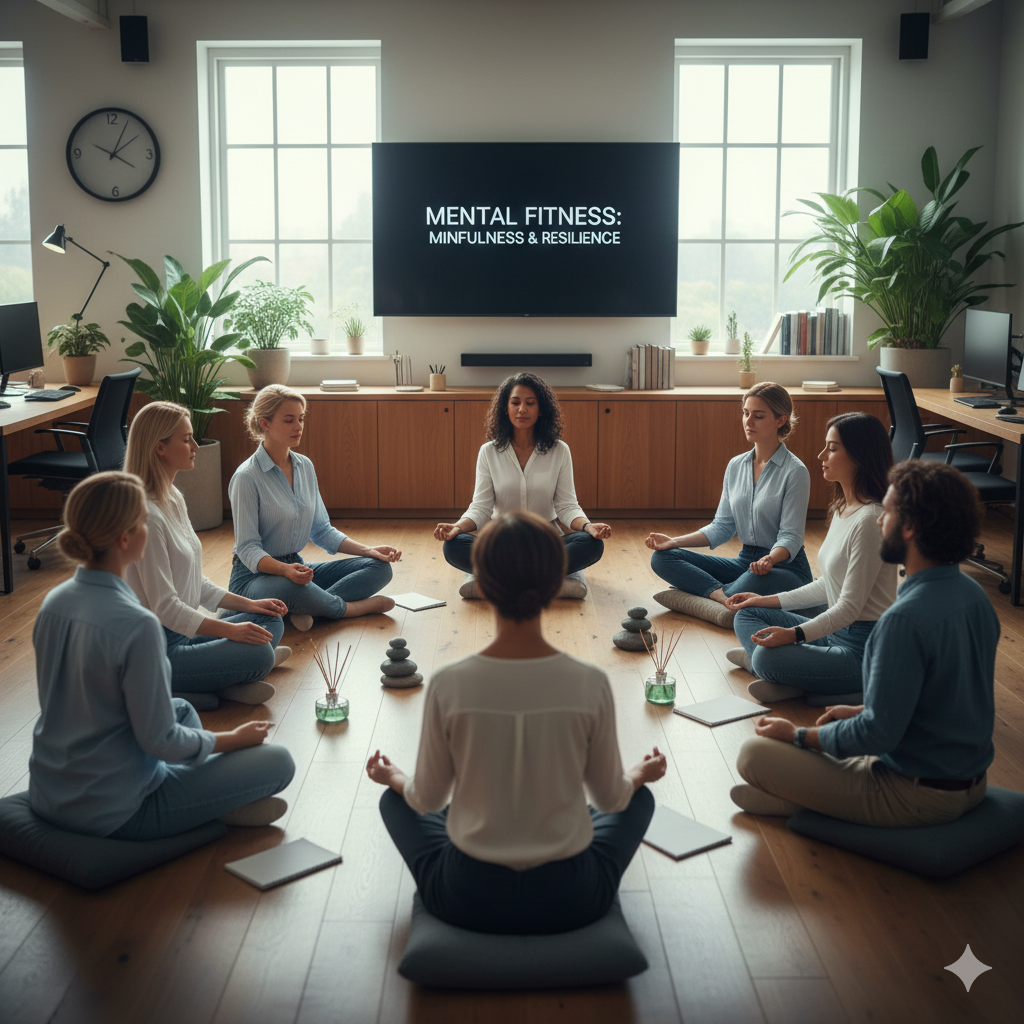
In today’s fast-paced corporate world, the traditional focus on physical wellness alone is no longer sufficient. Organizations are increasingly recognizing that a thriving workforce depends equally on mental well-being. Stress, burnout, and mental health challenges impact productivity, engagement, and employee retention. This shift has brought mental fitness to the forefront, with companies now looking to integrate mindfulness and resilience training as core components of their corporate wellness programs.
The Evolving Definition of Corporate Wellness
Corporate wellness once conjured images of gym memberships and healthy eating initiatives. While these remain important, the scope has significantly broadened. Modern corporate wellness embraces a holistic view, acknowledging that mental health is as critical as physical health for overall performance and quality of life. This evolution is driven by:
- Rising stress levels: Employees face constant pressure from deadlines, technological demands, and economic uncertainties.
- Increased awareness: The stigma around mental health is slowly eroding, encouraging more open discussions.
- Business imperative: Mentally healthy employees are more engaged, creative, and less prone to absenteeism.
Mindfulness: Cultivating Presence and Reducing Stress
Mindfulness is the practice of paying attention to the present moment without judgment. It’s about observing thoughts, feelings, and bodily sensations as they arise, rather than getting swept away by them. In the workplace, mindfulness offers profound benefits:
- Stress Reduction: By training the mind to focus on the present, mindfulness helps interrupt the cycle of rumination and worry that often fuels stress.
- Improved Focus and Concentration: Regular mindfulness practice enhances attention span and reduces distractions, leading to better task performance.
- Enhanced Emotional Regulation: Employees learn to observe their emotions without reacting impulsively, fostering more constructive responses to challenges.
- Better Decision-Making: A calmer, more focused mind is better equipped to analyze situations objectively and make sound decisions.
- Increased Empathy and Compassion: Mindfulness can improve interpersonal relationships by enhancing one’s ability to understand and connect with colleagues.
Practical Mindfulness Integrations:
- Guided Meditations: Short, guided sessions offered during breaks or as part of team meetings.
- Mindful Breathing Exercises: Simple techniques employees can use at their desks.
- Mindfulness Workshops: Deeper dives into the principles and practices of mindfulness.
- Mindful Walking Breaks: Encouraging employees to take short, present-moment walks.
Resilience Training: Bouncing Back Stronger
Resilience is the capacity to recover quickly from difficulties; toughness. In a corporate context, it’s the ability of employees to adapt to change, overcome adversity, and maintain well-being despite challenges. Resilience training equips individuals with the tools to navigate setbacks effectively:
- Adaptive Coping Strategies: Teaching healthy ways to deal with stress, rather than avoiding or succumbing to it.
- Cognitive Restructuring: Helping employees identify and challenge negative thought patterns that contribute to stress and low mood.
- Emotional Intelligence Development: Enhancing self-awareness and social awareness to better manage emotions and relationships.
- Problem-Solving Skills: Empowering employees to approach challenges with a proactive, solution-oriented mindset.
- Building a Growth Mindset: Fostering the belief that abilities can be developed through dedication and hard work, even in the face of failure.
Key Components of Resilience Training:
- Stress Management Techniques: Beyond mindfulness, including time management, boundary setting, and effective communication.
- Strength-Based Approaches: Helping employees identify and leverage their personal strengths.
- Building Support Networks: Encouraging strong peer connections and mentorship.
- Goal Setting and Achievement: Developing realistic goals and celebrating successes to build self-efficacy.
The Synergy of Mindfulness and Resilience
Mindfulness and resilience are not separate entities but complementary practices. Mindfulness provides the foundation for self-awareness and emotional regulation, which are crucial for building resilience. By being present and understanding one’s internal landscape, individuals can better apply resilience strategies when faced with adversity. Together, they create a powerful framework for mental fitness.
Implementing a Holistic Mental Wellness Strategy
Integrating these practices into corporate wellness requires a strategic approach:
- Leadership Buy-in: Top-down commitment is essential to destigmatize mental health and champion initiatives.
- Needs Assessment: Understand the specific stressors and challenges faced by your employees.
- Diverse Offerings: Provide a range of programs that cater to different preferences and levels of engagement.
- Accessibility and Flexibility: Ensure programs are easy to access (online, hybrid) and fit into varying work schedules.
- Training and Resources: Equip managers with the skills to support employee mental well-being and provide access to professional help when needed.
- Measure and Adapt: Regularly evaluate the effectiveness of programs and make adjustments based on feedback and outcomes.
By placing mental fitness at the heart of corporate wellness, organizations not only foster a healthier, happier workforce but also cultivate a more innovative, productive, and sustainable business environment. The time has come for mental fitness to take its rightful center stage.