

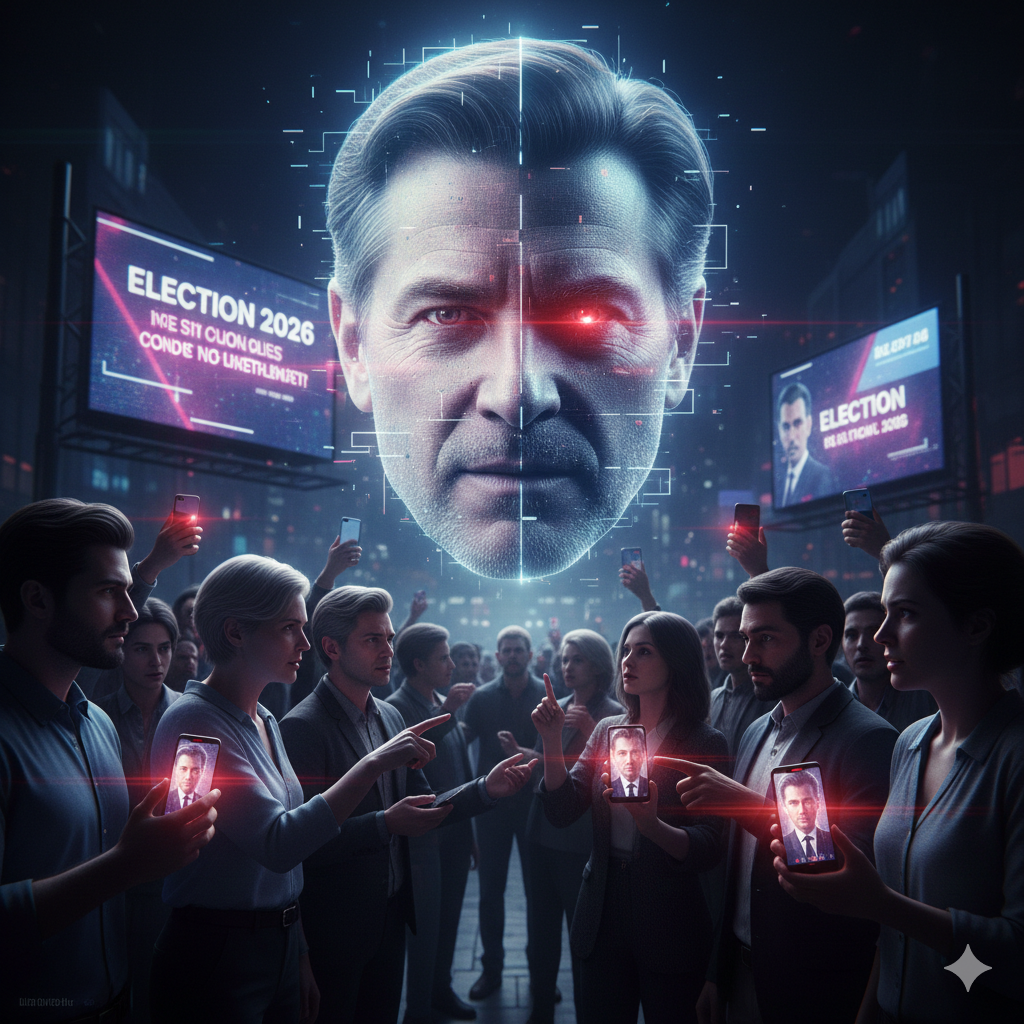
1. The Deepfake Threat in Elections: A New Era of Misinformation
Deepfakes fundamentally alter the landscape of misinformation. Unlike traditional “fake news,” which relies on fabricated text or crudely altered images, deepfakes offer hyper-realistic, synthetic evidence. This makes them incredibly potent for:
- Voter Manipulation: Spreading fabricated speeches or compromising videos of candidates to sway public opinion.
- Delegitimizing Results: Creating deepfake evidence of electoral fraud to undermine election integrity and public trust in institutions.
- Sowing Discord: Generating inflammatory content designed to polarize communities and incite social unrest.
- Character Assassination: Fabricating damaging personal content about candidates to destroy reputations.
The core danger lies in their ability to erode trust in verifiable reality, creating a “liar’s dividend” where even genuine content can be dismissed as fake.
2. Regulatory Lags: A Global Challenge
Governments and international bodies are struggling to keep pace with the swift evolution of deepfake technology. Key regulatory challenges include:
- Defining “Harm”: Establishing clear legal definitions of what constitutes harmful deepfake content, especially in the context of political speech.
- Attribution & Provenance: It is incredibly difficult to trace the origin of deepfake content, complicating efforts to hold creators accountable.
- Cross-Border Issues: Deepfakes can originate anywhere, making international cooperation crucial but often slow to materialize.
- Balancing Freedom of Speech: Regulations must navigate the delicate balance between preventing misinformation and protecting legitimate forms of satire, parody, or artistic expression.
- Tech Company Responsibility: Debates persist about the extent to which social media platforms should be held liable for hosting and disseminating deepfake content.
Current Approaches: A Patchwork Quilt
Some jurisdictions are beginning to introduce legislation:
- Disclosure Requirements: Mandating that AI-generated content be clearly labeled.
- Criminalization: Making it a criminal offense to create or distribute malicious deepfakes with intent to deceive.
- Civil Remedies: Allowing individuals or organizations to sue for damages caused by deepfakes.
3. Societal Challenges: Erosion of Trust and Cognitive Overload
Beyond legal frameworks, deepfakes pose profound societal challenges:
- Erosion of Trust in Institutions: When video and audio evidence can no longer be trusted, faith in journalism, judicial systems, and government communication can plummet.
- Information Overload & Fatigue: The sheer volume of potentially fabricated content can lead to “truth decay,” where individuals give up trying to discern fact from fiction.
- Psychological Impact: The emotional and psychological toll on individuals targeted by deepfakes can be devastating, leading to reputational damage, mental distress, and even physical threats.
- Polarization Reinforcement: Deepfakes can exploit existing biases, creating tailored misinformation that resonates deeply within echo chambers, further entrenching partisan divides.
- Challenges to Critical Thinking: As the line between real and synthetic blurs, it demands a higher level of media literacy and critical thinking from the general public.
4. Mitigation Strategies: A Multi-faceted Approach
Addressing the deepfake threat requires a concerted, multi-faceted effort involving technology, policy, and education:
- Technological Countermeasures:
- Detection Tools: Developing more sophisticated AI to detect deepfakes, though this remains an arms race.
- Content Provenance: Implementing digital watermarking, blockchain-based verification, and metadata standards to track content origin.
- Platform Safeguards: Social media platforms employing faster content moderation, algorithmic detection, and clear labeling.
- Regulatory & Policy Frameworks:
- Harmonized Legislation: International cooperation to develop consistent laws and enforcement mechanisms.
- Clear Penalties: Establishing robust penalties for the malicious creation and distribution of deepfakes.
- Transparency Mandates: Requiring platforms to be transparent about their content moderation policies and actions.
- Education & Media Literacy:
- Public Awareness Campaigns: Educating citizens about deepfakes and critical media consumption.
- Educational Curricula: Integrating media literacy into school curricula from an early age.
- Fact-Checking Initiatives: Supporting independent fact-checkers and collaborative efforts to debunk misinformation rapidly.
Conclusion
Deepfakes represent a paradigm shift in the information landscape, posing an existential threat to democratic processes and societal trust. While the challenge is immense, a proactive and collaborative approach—combining cutting-edge technology, adaptive regulatory frameworks, and widespread media literacy—offers the best hope for navigating this evolving threat and preserving the integrity of our information ecosystems in the age of AI.