
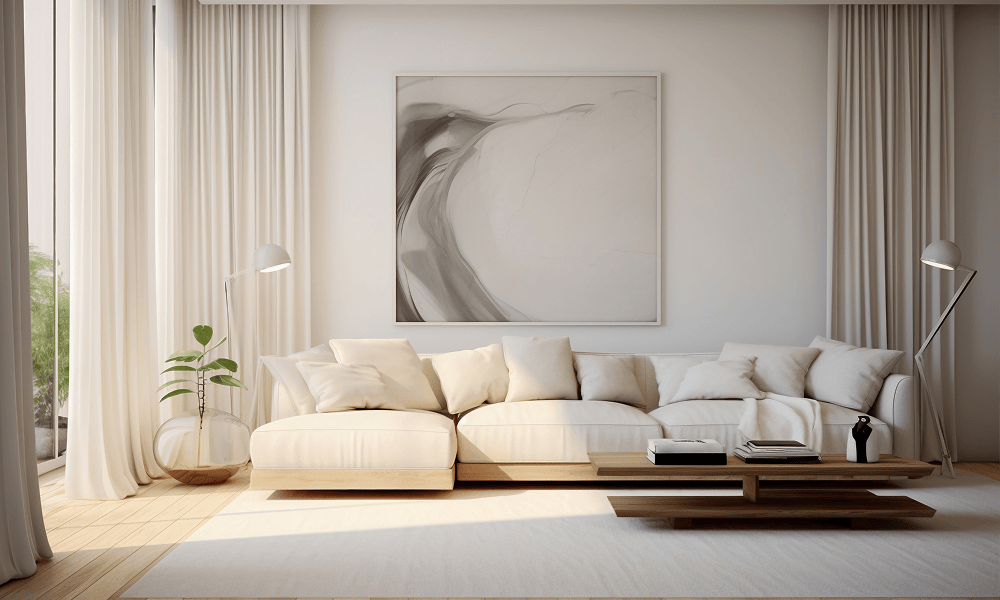
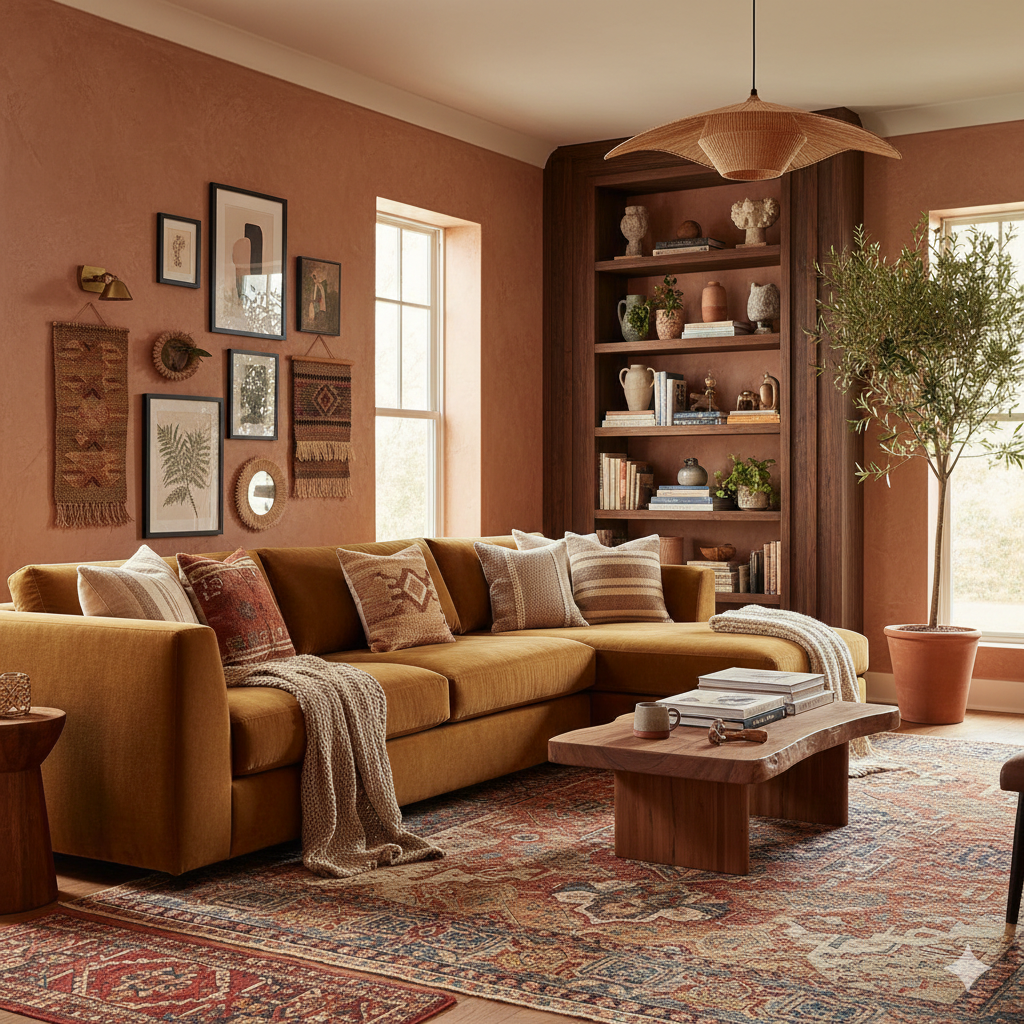
For years, cool grays, crisp whites, and minimalist aesthetics dominated interior design. While beautiful in their simplicity, a significant shift is underway, ushering in an era of warmth, richness, and personal expression. Designers and homeowners are increasingly embracing spaces that feel inviting, lived-in, and deeply comfortable. This movement is beautifully encapsulated by the rise of Organic Modern and a refined take on Maximalism, both of which champion a departure from starkness towards layered textures, earthy palettes, and collected treasures.
The Warmth Revolution: A Shift in Palette
The most immediate change in this design evolution is the move away from icy cool tones to a spectrum of inviting warm hues.
- Earthy Neutrals: Beige, cream, tan, mushroom, and off-whites are replacing stark grays and brilliant whites as the foundation. These colors provide a soft backdrop that feels grounding and natural.
- Rich Pigments: Deep terracotta, burnt orange, olive green, warm rust, ochre, and muted mustards are coming to the forefront, often inspired by natural landscapes and global aesthetics.
- Wood Tones: Lighter, natural wood finishes are being complemented by richer, darker woods like walnut and mahogany, adding depth and a sense of permanence.
Organic Modern: Blending Nature with Refined Comfort
Organic modernism is about creating spaces that feel both sophisticated and deeply connected to the natural world. It’s a harmonious blend of clean lines and raw, tactile elements.
- Key Principles:
- Natural Materials: Abundant use of wood (especially lighter, natural grains), stone, linen, wool, jute, rattan, and clay.
- Soft Forms: Furniture often features rounded edges, organic shapes, and comfortable upholstery, avoiding sharp angles.
- Warm Color Palettes: Grounded in earthy neutrals with accents of muted greens, terracottas, and browns.
- Textural Richness: Layering different natural textures to add depth and interest without overwhelming the eye.
- Biophilic Design: Incorporating plants, natural light, and views of the outdoors to foster a sense of well-being.
- How to Achieve It:
- Start with a warm neutral base on the walls.
- Introduce a large, comfortable sofa in a natural fabric like linen or bouclé.
- Incorporate furniture with organic shapes and natural wood finishes.
- Layer rugs made from wool, jute, or sisal.
- Add pottery, ceramics, and artisanal decor crafted from natural materials.
- Bring in plenty of greenery with indoor plants.
Maximalism Reimagined: Curated Collections and Bold Expression
Today’s maximalism is less about clutter and more about intentional layering, curated collections, and fearlessly expressing personality. It’s a rejection of “less is more” in favor of “more is magnificent.”
- Key Principles:
- Layered Textiles: Mixing patterns, textures, and fabrics (velvet, silk, brocade, and chunky knits) to create a luxurious and inviting feel.
- Collected Art & Objects: Displaying personal collections, vintage finds, and diverse art pieces that tell a story.
- Bold Color & Pattern: Embracing vibrant hues, intricate wallpapers, and patterned rugs.
- Eclectic Furniture: Combining pieces from different eras and styles to create a unique, personalized look.
- Personal Narrative: Every item in the room contributes to the homeowner’s story and passions.
- How to Achieve It:
- Don’t be afraid of color on walls, or consider a bold patterned wallpaper.
- Layer rugs over each other, or choose a large, intricately patterned rug.
- Create a gallery wall with a mix of art styles, frames, and even textiles.
- Style shelves and surfaces with books, sculptures, travel souvenirs, and personal mementos.
- Mix different furniture styles—a vintage armchair next to a modern sofa, for example.
- Utilize textiles abundantly: throw pillows, blankets, tapestries, and richly upholstered pieces.
The Common Thread: Texture and Layering
Both organic modern and maximalism, despite their stylistic differences, share a deep appreciation for texture and layering. These elements are crucial for creating spaces that feel warm, rich, and deeply inviting.
- Tactile Surfaces: Think plaster walls, rough-hewn wood, nubby wool rugs, soft bouclé fabrics, smooth ceramics, and woven baskets.
- Visual Layers: Arranging furniture, rugs, art, and decor at different heights and depths to create visual interest and coziness.
- Sensory Experience: The goal is to engage not just sight but also touch, making a room feel soft, comfortable, and captivating.
The departure from cool neutrals marks an exciting evolution in interior design. By embracing warm palettes, rich textures, and thoughtful layering, whether through the serene lens of Organic Modern or the vibrant expression of Maximalism, we are creating homes that are not just beautiful but truly feel like a comforting, personal sanctuary.