

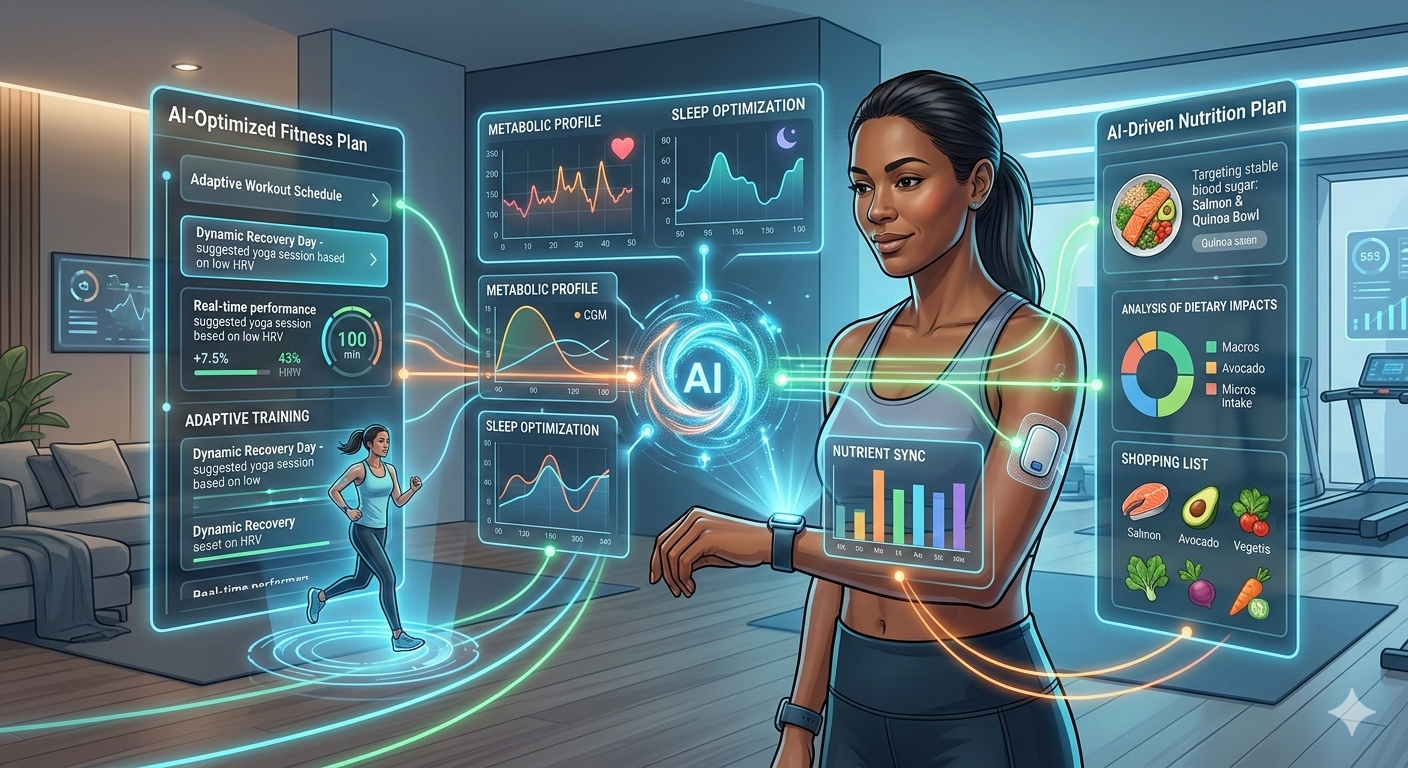
In the past, achieving wellness felt like navigating a vast and confusing landscape. We were bombarded with generic advice, conflicting diets, and the pressure of one-size-fits-all fitness routines. Fast forward to the present day, and the picture has dramatically changed. The convergence of Artificial Intelligence (AI), sophisticated wearable technology, and the power of personalized data is ushering in a new era of wellness—one that’s intelligent, precise, and uniquely tailored to your individual needs.
The Rise of the Intelligent Companion: How Wearable Tech is Transforming Data Collection
Wearable technology has evolved from simple step trackers to sophisticated health monitors. Today, these devices can capture a wealth of biological and behavioral data with remarkable accuracy:
- Real-time Biometrics: Smartwatches and fitness trackers can continuously monitor heart rate, blood oxygen levels, and even estimate stress levels. This data provides a 24/7 window into your body’s response to various stimuli.
- Activity Tracking: Beyond just steps, advanced wearables can track specific exercises, quantify workout intensity, and analyze sleep patterns, providing a comprehensive overview of your physical activity and recovery.
- Continuous Glucose Monitoring (CGM): Once primarily for diabetic management, CGM is increasingly being adopted by individuals seeking to understand their metabolic health. These sensors track glucose fluctuations throughout the day, offering insights into how diet, exercise, and stress impact blood sugar.
Unlocking the Power of Data: How AI is Turning Numbers into Insights
The raw data collected by wearables is invaluable, but its true potential is unlocked by AI. AI algorithms process this vast and complex dataset, identifying patterns and correlations that would be impossible for the human eye to detect. This powerful analysis forms the bedrock of personalized wellness plans:
1. Personalizing Fitness for Optimal Performance and Injury Prevention:
Forget generic workout schedules. AI uses your data to craft dynamic fitness plans that evolve with you:
- Tailored Intensity: AI algorithms analyze your historic performance, current fitness level, and recovery metrics to recommend optimal workout intensities and durations. This ensures you’re pushing your limits without risking burnout or injury.
- Personalized Routine Adjustments: If your wearable detects poor sleep or high stress levels, the AI-driven app can automatically suggest a lighter workout or an active recovery day, prioritizing your overall well-being.
- Proactive Injury Risk Assessment: By analyzing movement patterns during workouts and identifying subtle imbalances, AI can help predict potential injury risks, enabling you to adjust your form or incorporate preventive exercises.
2. Revolutionizing Nutrition through Data-Driven Insights:
The age of fad diets is giving way to personalized nutritional guidance:
- Understanding Your Metabolism: By analyzing data from CGM and activity trackers, AI can help identify how your body uniquely responds to different foods and macronutrient distributions.
- Personalized Meal Planning: AI-driven nutrition apps can recommend meal plans and recipes tailored to your unique metabolic profile, weight goals, and dietary preferences.
- Real-time Feedback: If your AI-integrated app connects with your CGM, it can provide immediate feedback on how a specific meal impacted your blood sugar, empowering you to make informed decisions about your diet.
Beyond the Numbers: The Psychology of AI-Driven Wellness
The benefits extend beyond just physical optimization:
- Empowerment through Understanding: By demystifying how their bodies work, AI provides individuals with a sense of control and empowerment over their health.
- Enhanced Motivation: Personalized plans that offer visible progress can significantly boost motivation and adherence to healthy habits.
- Data-Driven Accountability: AI can act as a supportive virtual coach, tracking progress, providing reminders, and celebrating milestones, fostering a sustainable commitment to wellness.
The Future of AI in Wellness: Integrating Data for Comprehensive Care
As AI and wearable tech continue to advance, we can expect to see even greater integration in the wellness landscape:
- Sleep Quality Optimization: Future AI integrations may analyze not just sleep duration but sleep architecture to provide targeted recommendations for improving rest quality.
- Mental Well-being Support: Advanced algorithms are being developed to interpret heart rate variability and other physiological markers to offer personalized stress management strategies and even identify early signs of mental health concerns.
- A New Era of Preventative Health: By identifying subtle changes in health metrics over time, AI-driven systems can play a crucial role in the early detection and prevention of chronic diseases.
Conclusion: Embracing a Smarter Path to Wellness
AI-driven wellness represents a paradigm shift. We are moving away from generic solutions and embracing a highly personalized, data-driven approach to health. By harnessing the power of wearable tech, individual data, and intelligent algorithms, we can finally crack the code to achieving optimal physical and mental well-being, paving the way for a healthier, happier, and more fulfilling life.