

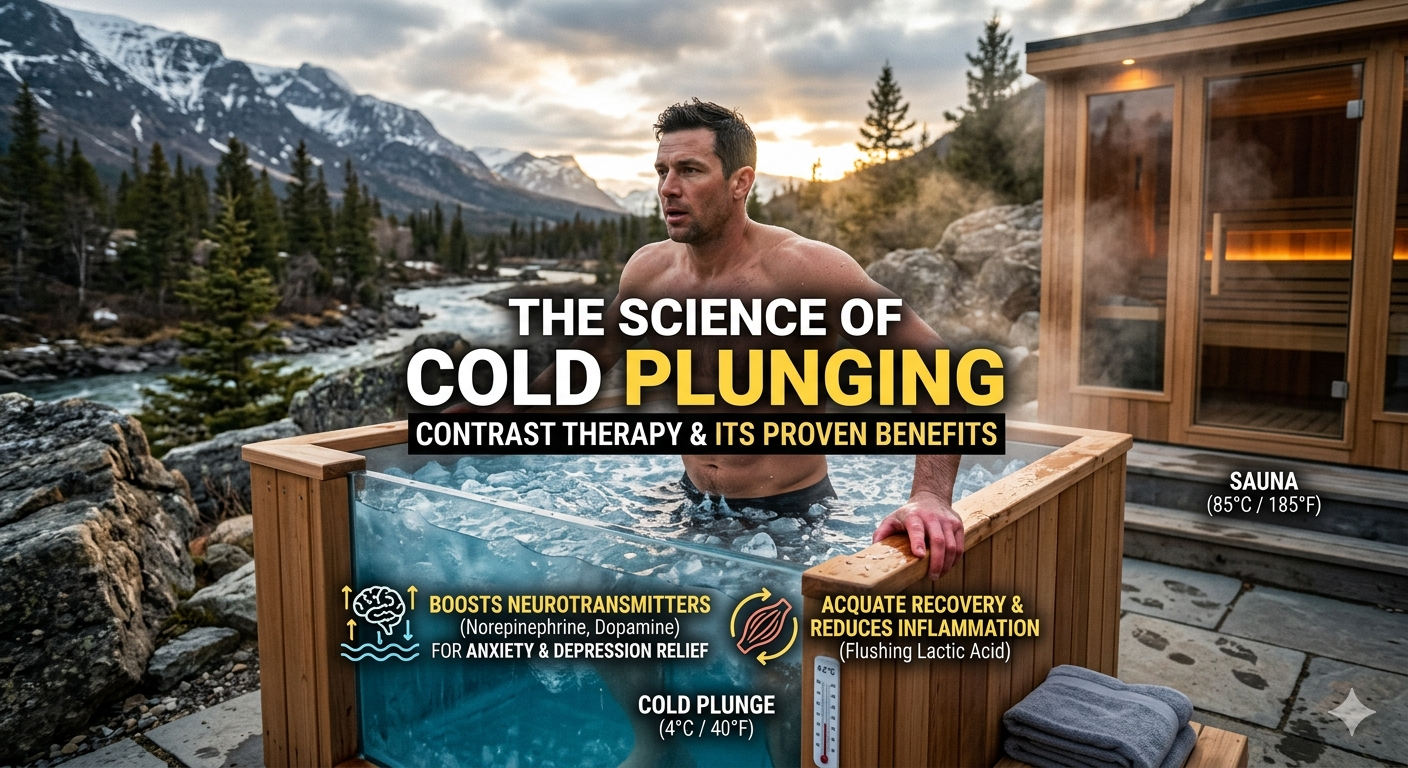
The invigorating shock of cold water. It’s not just a rite of passage for daring swimmers; it’s a burgeoning wellness trend backed by a growing body of scientific evidence. Cold plunging, the practice of immersing oneself in freezing or near-freezing water for short periods, is moving beyond the realm of extreme athletes and into the mainstream. But what lies beneath the surface of this chilling experience?
This article explores the science behind cold plunging, delving into contrast therapy, and uncovers the proven benefits for both mental well-being and physical recovery.
The Chilling Truth: What Happens When You Take the Plunge?
When your body is suddenly exposed to freezing temperatures, it triggers a cascade of physiological responses designed for survival. The sympathetic nervous system—our “fight-or-flight” response—kicks into high gear.
- Sudden Vasoconstriction: The blood vessels near the skin’s surface constrict dramatically to shunt blood toward your vital organs, conserving heat.
- A Powerhouse Release of Hormones and Neurotransmitters: The shock of the cold stimulates the adrenal glands, leading to a massive surge in:
- Norepinephrine: This hormone and neurotransmitter is crucial for focus, attention, and mood regulation. Levels can skyrocket by as much as 530% during a brief cold plunge.
- Epinephrine (Adrenaline): Providing an immediate burst of energy and alertness.
- Dopamine: The “feel-good” neurotransmitter, often associated with pleasure and reward, also sees a significant increase.
- Elevated Heart Rate and Respiration: Your heart rate and breathing accelerate, increasing oxygen delivery throughout the body.
This potent hormonal and neurological cocktail is the foundation for many of the cold plunge’s widely touted benefits.
Forging Mental Resilience: How Cold Plunging Battles Anxiety
The initial, intense stress of a cold plunge might seem counterintuitive for alleviating anxiety. However, regular, controlled exposure to this acute stressor can actually train your nervous system to be more resilient.
1. “Training” Your Response to Stress
Anxiety is often characterized by a hyper-reactive sympathetic nervous system—essentially, being stuck in “fight-or-flight” mode. By voluntarily and repeatedly subjecting yourself to the acute, but safe, stress of a cold plunge, you practice a “controlled” stress response.
You learn to manage the immediate panic, focus on your breath, and calm your mind. Over time, this helps to tone the parasympathetic nervous system—the “rest-and-digest” system—making it easier to down-regulate from stress in everyday life. Think of it as stress inoculation for your mind.
2. The Norepinephrine and Dopamine Boost
The surge of norepinephrine is particularly potent. Low levels of this neurotransmitter have been linked to both depression and anxiety. By significantly and acutely boosting norepinephrine, a cold plunge can lead to an almost immediate uplift in mood, focus, and mental clarity.
Additionally, the dopamine spike provides a natural high and a lingering sense of well-being that can counteract the pervasive low mood often associated with anxiety.
3. Cultivating Mindful Awareness
Surviving a cold plunge demands total presence. You cannot obsess about your to-do list or relive a stressful conversation when you are focused on simply enduring the ice-cold water. This intense mindfulness practice helps anchor you in the present moment, offering a powerful, if chilly, form of meditation.
Accelerating Muscle Recovery: The Science and the Sensation
Cold plunging has long been a staple in the locker rooms of professional athletes, and for good reason. Its effects on muscle recovery are both immediate and profound.
1. Reduced Inflammation and Soreness
The dramatic vasoconstriction caused by cold immersion is effectively an internal, whole-body anti-inflammatory. It limits the infiltration of pro-inflammatory cells and chemicals to damaged muscle tissue, reducing the swelling and pain associated with Delayed Onset Muscle Soreness (DOMS).
2. Improved Circulation and “Flushing”
Following the vasoconstriction in the cold, a sudden and robust vasodilation occurs when you warm up. This massive influx of fresh, oxygenated, and nutrient-rich blood to the muscles helps:
- Deliver Oxygen and Nutrients: Essential for cellular repair and regeneration.
- Flush Metabolic Waste: Helps to more efficiently clear byproducts of exercise, like lactate and other metabolic waste, which contribute to fatigue and soreness.
Contrast Therapy: Taking the Plunge, Then Turning Up the Heat
While cold plunging alone is powerful, its benefits can be amplified when combined with heat exposure, a practice known as contrast therapy or contrast water therapy (CWT). This typically involves alternating between a cold plunge and a hot sauna, steam room, or hot tub.
The “Vascular Pump”
The primary mechanism behind contrast therapy is the pronounced “vascular pumping” effect.
- Cold Immersion: Causes vasoconstriction, pushing blood away from the skin and muscles toward the core.
- Heat Exposure: Triggers vasodilation, pulling a massive amount of blood back to the surface and the muscles.
This repeated, extreme shift from constriction to dilation acts like a pump, vastly accelerating blood flow and enhancing the efficiency with which the body delivers essential nutrients for repair and removes waste products.
A Safe and Systematic Approach to the Cold Plunge
If you’re ready to embrace the chill, it’s crucial to approach cold plunging safely and incrementally.
Getting Started:
- Consult Your Doctor: Particularly if you have any pre-existing health conditions, especially cardiovascular issues. The initial shock is a significant cardiovascular stressor.
- Start Gradually:
- Temperature: Begin with water that is cool (e.g., 60-65°F / 15-18°C) rather than ice-cold.
- Duration: Start with just 30 to 60 seconds. You do not need to stay in for long to experience the benefits.
- Focus on Your Breath: Take slow, deep, diaphragmatic breaths to control the initial hyperventilation and activate your parasympathetic nervous system.
- Listen to Your Body: If you start shivering uncontrollably, feel lightheaded, or the cold becomes unbearable, get out. The goal is positive adaptation, not hypothermia.
- Build Up Slowly: Gradually decrease the temperature and/or increase the time as your tolerance improves. For most, 2-5 minutes is the sweet spot.
- Avoid After Intensive Strength Training: While beneficial for endurance recovery, the immediate, powerful anti-inflammatory effect of cold might slightly blunt the hypertrophic (muscle-growth) signal following an intense weightlifting session. It’s often better to wait a few hours or plunge on rest days.
The science is clear: cold plunging is a potent tool for both mental and physical optimization. Whether you’re seeking to sharpen your focus, bolster your mental resilience against anxiety, or accelerate your muscle recovery, taking a deep dive into the cold might be just what your body and mind need.