
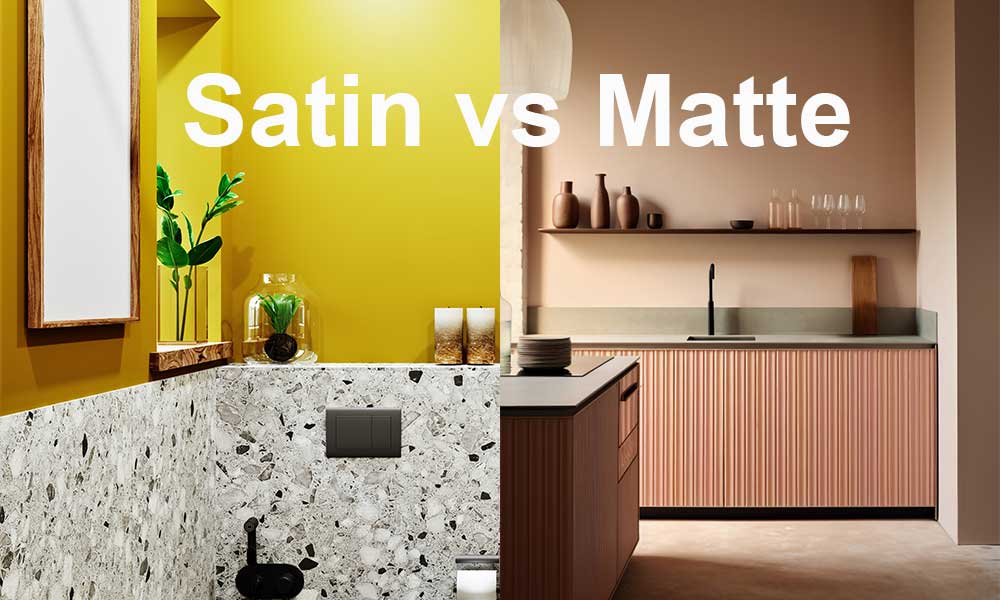
When we are designing the inside of a house or a building picking the colour of paint is not the only thing that matters. It can really change how a room looks and feels and how well it lasts over time. People usually choose between two kinds of paint finishes, for homes and offices: matte finish paint and satin finish paint. People who own homes, architects and contractors need to know the difference between these two finishes. This helps them make choices that look nice work well and are easy to take care of. The finishes are important, for style, functionality and maintenance requirements of the finishes.
The Importance of Paint Finish in Interior Design
The paint finish is what decides how much light bounces off a surface and how well it can handle wear and tear, moisture and cleaning. The right paint finish makes the architectural details look better it supports what the designer was going for. It makes sure the surfaces look good for a long time. When we look at homes, we see a lot of simple shapes and soft things to touch. There are also lots of materials used together.
Matte Finish: Understated Elegance
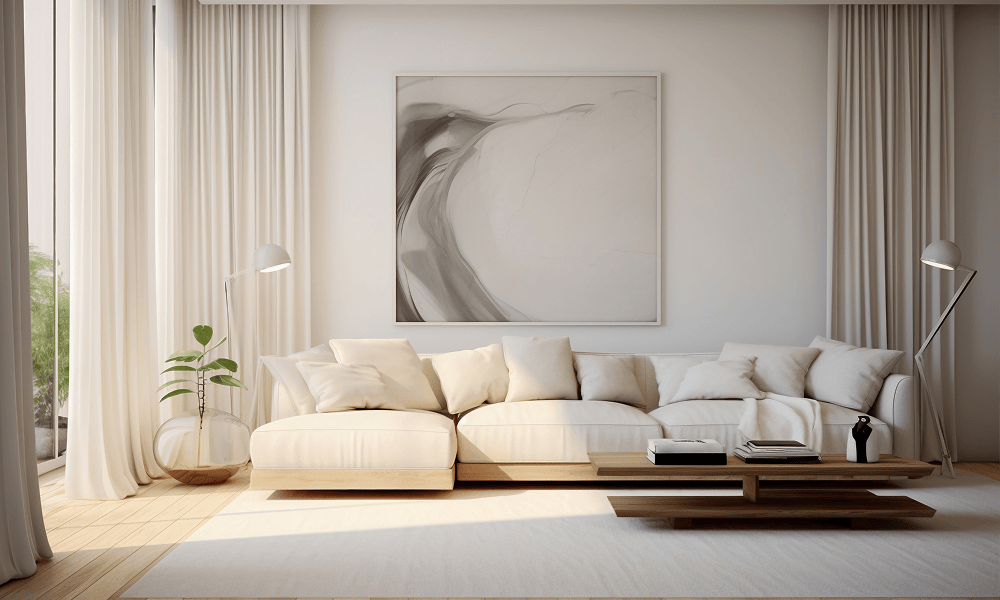
Matte paint is nice because it gives you a surface that does not shine. This kind of paint is also called finish paint. It looks very classy. People like it in expensive homes and places where design is important. Matte paint is great because it absorbs light and that makes it look very elegant and soft like velvet. People who want a look often to choose matte paint, for their homes and offices.
Key Advantages of Matte Paint
- Creates a soft, sophisticated ambiance
- Minimizes the appearance of wall imperfections
- Enhances depth in rich or neutral colour palettes
- Ideal for feature walls and minimalist interiors
Matte finishes are great for living rooms and bedrooms and ceilings and formal areas. These are places where you want things to look nice and not too flashy. If you like modern or biophilic design matte finishes go well with natural things, like wood and stone and woven textures. Matte finishes are good because they are simple and elegant and that is what you want in these rooms. Paint technology has really come a way. The good thing, about matte interior paints these days is that they are a lot more durable. Premium matte interior paints can handle stains a lot better. They are also easier to clean than the old flat paints.
Satin Finish: Balanced Performance and Subtle Sheen
Satin paint has a soft shine to it. It is not too flat like matte paint and not too shiny like -gloss paint. The satin paint shines a bit when the light hits it. This makes the room look a little brighter. The satin paint does not shine so much that it is too much, for the space. Satin paint provides a look that is very nice.
Key Advantages of Satin Paint
- Greater durability and resistance to scuffs
- Easy to clean and maintain
- Moisture-resistant properties
- Suitable for higher-traffic environments
Satin finish paint is a choice for places like hallways and kitchens. It is also great for bathrooms and children’s rooms. This is because satin finish paint can withstand a lot of wear and tear. Satin finish paint is also used in offices and commercial interiors. The paint has a shine to it. This shine helps make rooms look brighter. So satin finish paint is an option, for rooms that do not get a lot of natural light.
A Comparative Perspective
When you are trying to decide between a matte finish and a satin finish there are a thing you need to think about. The matte finish and the satin finish have some differences that can affect how you use them. Matte finishes and satin finishes are used for things, so you must consider what you want to do with the matte finish and the satin finish.
Aesthetic Impact
Matte finishes are great for a look that is not too flashy. They are perfect for homes and apartments. Satin finishes are nice too because they add a bit of shine that can make some parts of the room stand out in a subtle way. Good choices, for people who want their home to look modern and luxury.
Surface Preparation
Matte paint is good at hiding problems with the wall like little bumps or dips. This makes it a good choice, for walls that’re not perfectly smooth. Satin finishes are a bit different. They can show some light, which means they might make problems with the wall more visible if you do not get the surface ready properly.
Durability and Maintenance
When it comes to areas that do not get a lot of traffic and looks are very important people usually like to use matte. On the hand, in areas that get cleaned a lot or where people touch things often satin is a better choice because it works well for a long time.
Application Recommendations
Combining finishes like matte for walls and satin for trim enhances aesthetic appeal and durability, providing depth and long-lasting colour retention without unpleasant odours.
Aligning Finish with Project Goals
Selecting the ideal paint finish requires a clear understanding of the space’s purpose, lighting conditions, and usage patterns. Key factors to evaluate include
- Foot traffic levels
- Exposure to moisture
- Desired aesthetic outcome
- Cleaning and maintenance expectations
- Overall interior design concept
You should get advice from a paint company you trust. They can help you pick a finish that looks good and works well for what you need.
Quality Matters
No matter what you choose, matte or satin the quality of the product is the important thing. Quality architectural coatings have these things
- Superior opacity and coverage
- Smooth, consistent application
- Enhanced durability
- Eco-friendly, low-VOC formulations
Long-term performance in demanding environments Investing in high-quality interior paint not only improves immediate visual results but also reduces maintenance costs and repainting frequency. Choosing between matte and satin finishes involves balancing aesthetics and performance. Matte offers elegance, while satin provides durability and maintenance ease, impacting your space’s look and feel.