

In the complex tapestry of our health, few things are as influential—yet often misunderstood—as our hormones. These chemical messengers, meticulously secreted by the endocrine system, play a pivotal role in regulating almost every aspect of our well-being. This is especially true when it comes to three fundamental pillars of vitality: energy, sleep, and metabolism. Achieving hormonal balance is not a luxury; it’s a foundation for a vibrant, thriving life.
The Interconnected Trio: Energy, Sleep, and Metabolism
Hormonal balance isn’t a collection of independent islands. Instead, it’s an intricate dance where changes in one area often resonate across others. Here’s a closer look at the profound connection between these three key aspects:
Hormonal Regulation of Energy
The very concept of having energy is a symphony of hormonal activity.
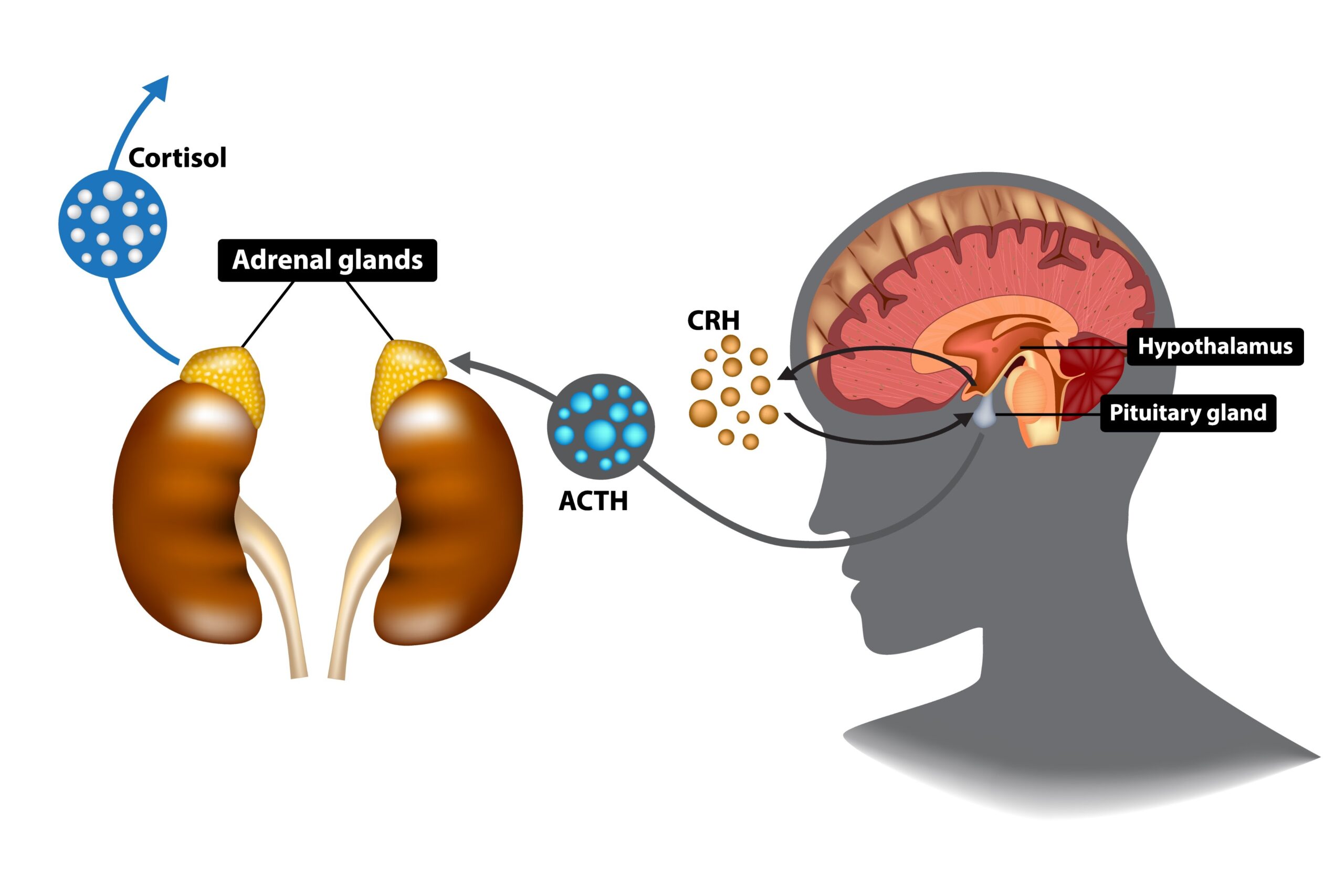
- The Adrenal Symphony (Cortisol): The adrenal glands, situated atop the kidneys, release cortisol—often dubbed the “stress hormone.” While critical for the fight-or-flight response, its primary, daily role is regulating our sleep-wake cycle and providing a gentle “wake-up call” in the morning. Balanced cortisol levels ensure we feel naturally alert and ready to face the day.
- The Thyroid’s Influence (T3 and T4): The thyroid gland produces hormones (T3 and T4) that dictate the rate at which every cell in our body burns energy. Optimal thyroid function is paramount for a steady supply of power, preventing that sluggish feeling often associated with imbalances.
Hormones and the Pursuit of Restful Sleep
A lack of quality sleep can create a vicious cycle that disrupts various hormonal systems, which in turn can further derail our sleep patterns.
- Melatonin, the Sleep Signal: Often called the “hormone of darkness,” melatonin is produced by the pineal gland and signals to our body that it’s time to rest. When the sun sets, melatonin levels naturally rise, preparing us for sleep. However, artificial blue light (from screens) and high stress can severely inhibit this natural process.
- Cortisol’s Paradoxical Role: Chronic stress can lead to dysregulated cortisol patterns—it should be high in the morning and low at night. If cortisol remains elevated in the evening, it can keep us alert and prevent us from winding down for much-needed rest.
Metabolism and the Weight Loss Blueprint
Hormones hold the key to how our body processes fuel, stores energy, and burns calories. It’s not just about “calories in, calories out”; it’s about the metabolic instructions being given.
- Insulin, the Fuel Regulator: The pancreas secretes insulin, which instructs cells to absorb glucose (sugar) from the blood for energy. Insulin resistance, often linked to diet and lifestyle, prevents this process from working efficiently, forcing the body to store excess glucose as fat.
- The Satiety and Hunger Chorus (Leptin and Ghrelin): Our appetite is regulated by a delicate balance. Leptin, produced by fat cells, signals feelings of fullness and stops us from overeating. Ghrelin, produced primarily in the stomach, stimulates hunger. When these hormones become imbalanced, it can lead to constant hunger and difficulty recognizing when we are truly full.
Recognizing the Signs: Red Flags of Hormonal Imbalance
While minor imbalances can manifest in different ways, some of the most common signs include:
- Energy Drains: Chronic fatigue, even after a full night’s sleep.
- Sleep Disturbances: Difficulty falling or staying asleep.
- Unexplained Weight Changes: Stubborn weight gain, especially around the midsection.
- Mood Fluctuations: Increased irritability, anxiety, or low mood.
- Brain Fog: Difficulty concentrating or remembering things.
- Changes in Libido: A noticeable decrease in sex drive.
Restoring Balance: A Practical Guide
The journey to restoring hormonal health often involves simple, consistent adjustments to our daily routines.
- Prioritize Nutrient-Dense Foods: Include plenty of fiber, lean protein, and healthy fats in every meal. Minimize processed foods, refined sugars, and excessive carbohydrates.
- Master Stress Management: Incorporate relaxation techniques into your daily life, such as mindfulness, meditation, or spending time in nature. Reducing stress helps balance cortisol levels.
- Develop a Sleep Sanctuary: Establish a consistent sleep schedule and create a relaxing bedtime routine. Ensure your bedroom is dark, quiet, and cool.
- Engage in Regular Physical Activity: Aim for a combination of cardiovascular exercise and strength training. Regular movement can help regulate insulin and improve metabolic health.
- Prioritize Hydration: Drink plenty of water throughout the day. Dehydration can hinder your body’s ability to produce and transport hormones effectively.
- Limit Toxins: Be mindful of environmental toxins, such as pesticides and endocrine disruptors found in plastics, which can negatively impact hormonal function.
Hormonal health awareness is about understanding that your body is a sophisticated and interconnected system. By paying attention to the signals it sends and adopting a lifestyle that supports hormonal balance, you can unlock a level of vitality, energy, and well-being that you might not have thought possible. Your path to true vitality starts now.